
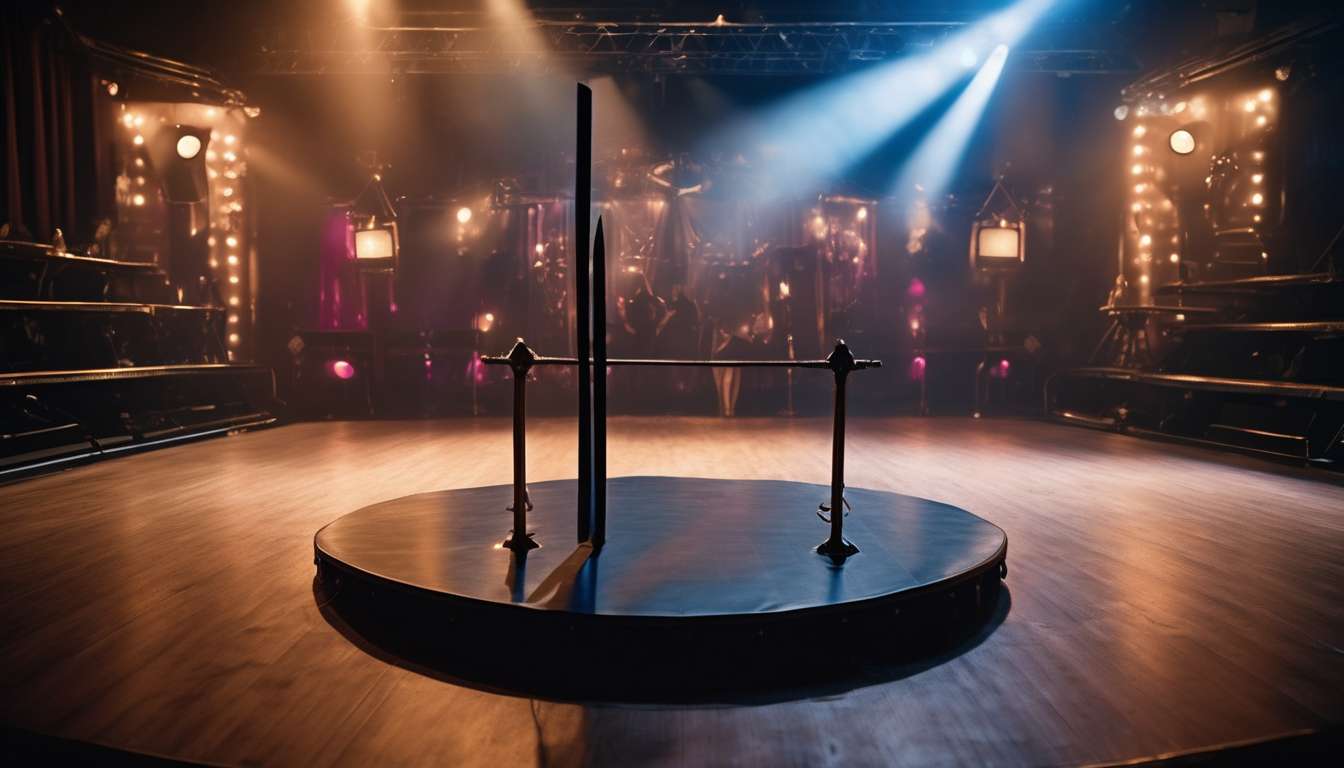
Keeping our toes on the bar for a moment, we remember the night we nearly closed because a performer was injured and our liability carrier balked.
We were juggling schedules, soothing an anxious dancer, and scrambling for legal advice while patrons whispered at the door. That evening crystallized how fragile our operations can be when insurance gaps appear—licenses, venue policies, and performer classifications all tangled into a legal headache.
As operators, we face shifting municipal requirements, differing club layouts, and workers who may be classified as employees or independent contractors, each choice altering our coverage needs and premiums.
This anecdote isn’t unique; it illustrates the stakes of inadequate protection: fines, shutdowns, and reputational damage.
In this article we’ll unpack the specific insurance mandates that affect exotic dancing venues, explain common pitfalls, and outline practical steps we can take to secure comprehensive, compliant coverage while safeguarding performers and our business livelihoods.
Regulatory Landscape
Overview: Key insurance laws and local ordinances for exotic dancing operators
General liability
Across jurisdictions, regulators commonly require general liability insurance to cover slip-and-fall, property damage, and third-party bodily injury claims arising on the premises.
Liquor liability
In many areas, liquor liability insurance is mandatory when alcohol is served, because bars and clubs face heightened risk for alcohol-related incidents.
Workers’ compensation
Workers’ compensation often applies if dancers or staff are employed, protecting both employees and operators in case of on-the-job injuries.
Local licensing boards and municipal codes
Local authorities can add conditions such as:
- minimum coverage limits
- named-insured provisions
- certificates of insurance required for permits
Practical guidance
- Check state statutes and local ordinances early, because requirements vary.
- Confirm coverage meets any minimum limits or named-insured requirements.
- Provide required certificates of insurance when applying for or renewing permits.
Why this matters
By staying informed and properly insured, you protect your people, your business, and your place within the local community—and reduce the risk of license jeopardy or other enforcement actions.
Performer Classification
Classify performers accurately: independent contractor vs. employee.
Why this matters: Clear classification determines applicable insurance and legal obligations and protects the whole team and the venue’s stability. Treating this carefully reduces risk and feels less personal when handled transparently.
If performers are employees:
- Workers’ compensation is often mandatory.
- Payroll taxes and benefits follow.
- Venue control (schedules, supervision, equipment) typically supports employee status.
If performers are independent contractors:
- Written agreements are essential.
- Clear limits on control (schedules, supervision, how work is performed) help withstand scrutiny.
- Payment methods and responsibilities should be documented.
Liquor liability considerations:
Performers interacting with patrons around alcohol can increase liability exposure and may push classification toward employee status depending on role and venue control.
Documentation to support classification:
- Work schedules
- Supervision levels
- Payment methods
- Equipment control
- Written contracts and policies
Align contracts, policies, and insurance:
By matching agreements and internal policies with appropriate insurance (workers’ compensation where required, and suitable general liability coverage), you create consistency, reduce audit risk, and foster shared responsibility that keeps the community protected and respected.
General Liability Needs
We should carry insurance that protects the venue, staff, performers, and patrons from common third‑party risks like slips, fights, and property damage.
We know our space is more than a workplace — it’s a community — so we prioritize clear, shared protection.
General liability is the foundation.
- What it covers: bodily injury and property damage claims brought by customers or visitors.
- Why it matters: it keeps our collective livelihood afloat after an incident.
Because many venues serve alcohol, we also need liquor liability.
- Purpose: addresses claims arising from intoxicated patrons.
- Benefit: helps the group stay secure when service‑related incidents occur.
Review policy details carefully.
- Check: policy limits and exclusions.
- Confirm: whether coverage extends to off‑duty events or private dances.
Coordinate with workers’ compensation (but don’t conflate the two).
- Note: workers’ compensation remains essential elsewhere in our plan.
- Action: coordinate limits and carriers so claims are handled smoothly.
Standardize and share coverage.
- Steps: standardize policies, share vetted insurers, and keep documentation accessible.
- Goal: so everyone feels protected and included.
Workers’ Compensation Rules
We ensure every dancer and employee is covered by state‑required workers’ compensation.
We promptly treat on‑the‑job injuries and clearly administer benefits.
We maintain compliant workers’ compensation policies and promptly report claims.
We communicate rights and procedures to everyone.
We coordinate workers’ compensation with general liability and liquor liability programs
- to prevent coverage gaps that could leave staff exposed.
We train staff on risk reduction, incident documentation, and when to seek medical care.
- This fosters trust that we will support recovery and return to work.
We review state filing deadlines, payroll classifications, and independent contractor distinctions
- to avoid penalties and ensure fair treatment.
When claims arise, we work transparently with carriers and legal advisors
- protecting both employees and our collective reputation.
By treating insurance administration as part of our commitment to the team,
- we build a workplace where everyone belongs and feels secure knowing their wellbeing is taken seriously.
Property and Premises Coverage
We will maintain comprehensive property and premises coverage that protects our building, fixtures, equipment, and tenant improvements from physical loss, vandalism, and business interruption.
We prioritize a safe, secure environment for everyone who works and performs here. This starts with policies that cover structural damage, tenant improvements, sound and lighting rigs, and inventory so we can reopen quickly after a covered loss.
We balance limits and deductibles to fit our budget while coordinating with general liability and workers’ compensation to avoid coverage gaps—so claims for bodily injury, employee injury, or third-party property damage are handled smoothly.
We document maintenance, security measures, and inventory to support claims and reduce premiums.
- We keep up-to-date maintenance logs.
- We record security measures and incidents.
- We maintain detailed inventory records.
We communicate these practices to staff and performers so they know we’re protecting their workplace.
We review policy endorsements (for example, ordinance or equipment breakdown coverage) and ensure our insurer understands the unique operations here.
Liquor liability is handled separately and will be addressed in its dedicated section.
Liquor Liability Concerns
We’ll carry separate liquor liability coverage to protect the business, staff, and performers from claims arising when alcohol service contributes to injury, property damage, or intoxication-related incidents.
We know running a venue is a team effort, so we make choices that shield everyone who belongs here. Liquor liability sits alongside general liability and workers’ compensation in our risk-management toolbox; each plays a distinct role, and together they keep our community whole.
We’ll document servers’ training, monitor over-service, and enforce house rules so incidents are less likely and defenses are stronger.
When a patron is injured or damages property after drinking:
- Liquor liability addresses claims tied to alcohol service.
- General liability covers other premises exposures.
- Workers’ compensation protects employees hurt on the job.
We’ll review limits and endorsements regularly to match our operations, and we’ll work with carriers who understand our culture.
That way, we’re confident we’re protecting our people, sustaining our business, and staying accountable to the team we’ve built.
Policy Exclusions to Watch
Review policy exclusions to identify coverage gaps that could expose the venue, staff, or performers.
Look specifically for exclusions related to performances, adult entertainment, and intoxication.
- These exclusions can carve out liquor liability or general liability for incidents arising during performances or where alcohol is involved.
- Confirm whether allegations tied to intoxication may be denied under the policy.
Verify coverage for assaulted patrons, performer injuries, and consent disputes.
- Check whether injuries to performers, assaults on patrons, or disputes over consent are expressly excluded from standard general liability language.
- Determine if those scenarios require specific endorsements or separate coverages.
Examine exclusions related to contracted entertainers, staged routines, and unique props.
- See whether the policy excludes activities by independent or contracted entertainers.
- Check for exclusions tied to stunts, staged routines, special effects, or unusual props that could trigger denials.
- Identify endorsements or additional policies needed to fill those gaps.
Assess workers’ compensation interactions and classification of performers.
- Determine whether the insurer denies coverage for independent contractors or misclassifies performers, which can leave individuals and the venue exposed.
- Confirm processes for classifying performers and whether additional endorsements or contracts (e.g., hiring agreements, waivers) are required.
Confirm exclusions for communicable disease, sexual misconduct, and intentional acts.
- Verify whether communicable disease, sexual misconduct, or intentional acts are excluded and how that impacts the venue’s liability and communal safety net.
- Identify any retroactive date or reporting-period limitations tied to these exclusions.
Document policy limits, sub-limits, and retroactive date restrictions.
- Record overall limits, event- or occurrence-specific sub-limits, and any per-person or per-occurrence caps.
- Note retroactive dates, prior acts exclusions, or reporting deadlines that could limit coverage.
Discuss findings with brokers and stakeholders.
- Share documented gaps and specific exclusions that affect performers, staff, and patrons.
- Request endorsements, additional coverages, or endorsements to address identified exposures.
- Confirm that policy language aligns with the venue’s actual operations and risk profile.
- Ensure the team understands limitations and any required operational or contractual changes.
Goal: make sure coverage matches real exposures so staff, performers, and patrons are protected and the venue’s risk is managed proactively.
Risk Management Practices
Goal: Implement practical risk management practices tailored to exotic dancing venues to reduce incidents, clarify responsibilities, and ensure insurance responds when claims arise.
Standardize incident reporting
- Create and use a uniform incident report form that captures: date/time, location, parties involved, witnesses, sequence of events, actions taken, and follow-up required.
- Train staff and performers on when and how to complete reports and where to submit them.
- Retain reports securely and index them for easy retrieval during claims or audits.
Training staff on de-escalation
- Develop a de-escalation curriculum specific to venue scenarios (rowdy patrons, intoxication, boundary violations).
- Deliver initial training and schedule regular refreshers; document attendance and competency.
- Maintain refusal-of-service and ejection logs with details of who intervened and why.
Clear patron conduct policies
- Publish a visible, concise patron code of conduct that defines prohibited behavior and consequences.
- Communicate policies verbally at entry and via signage; ensure staff can cite and enforce the rules.
- Include escalation steps and disciplinary measures so enforcement is consistent and defensible.
Coordinate with insurers on liquor liability
- Confirm with carriers how liquor liability applies to the venue and to individual servers or performers.
- Document server/ID training (e.g., TIPS, ServSafe) and keep refusal-of-service logs to support defense of claims.
- Obtain written insurer guidance on scenarios that could affect coverage (e.g., third-party alcohol, VIP areas).
Correct classification and workers’ compensation
- Review and document performer status (employee vs. independent contractor) using legal and payroll guidance.
- Provide workers’ compensation coverage where required; document enrollment and communications.
- Establish medical reporting and return-to-work protocols, and keep medical incident records to support claims handling.
General liability controls
- Schedule routine venue inspections covering staging, rigging, lighting, sound, seating, and egress paths.
- Implement and document corrective actions for hazards (secure staging, guardrails, slip-resistant flooring, adequate lighting).
- Keep maintenance logs, inspection checklists, and vendor certificates of inspection/repair.
Audit contracts with independent contractors
- Conduct periodic contract audits to confirm indemnity, insurance requirements, and proof of coverage are current.
- Ensure contracts allocate risk clearly and require certificates of insurance with appropriate limits and additional insured endorsements when needed.
- Retain copies of signed agreements and evidence of compliance.
Foster a collective safety culture
- Encourage non-blaming hazard reporting and recognize staff/performers who identify risks.
- Hold regular safety meetings that include management, staff, and performer representatives.
- Make safety responsibilities explicit in job descriptions and performer agreements.
Combine practical steps with documentation to strengthen claims defensibility
- Maintain a centralized repository for policies, training records, incident reports, inspections, contracts, and insurance documents.
- Use documented procedures to demonstrate reasonable care and consistent practices during claims investigations.
- Review and update procedures regularly based on incidents, legal changes, and insurer feedback.
If you’d like, I can:
- Draft a sample incident report form tailored for your venue.
- Create a one-page patron code of conduct suitable for signage.
- Produce a checklist for venue inspections and maintenance logs.
Which would you like first?
How do insurance premiums for exotic dancing businesses compare across different states or cities?
We’re asking how premiums vary by state and city, and we’re seeing big differences.
Key comparisons include rates, required coverages, and local risk factors.
- States set minimum coverages and mandates that affect baseline cost.
- Cities often add licensing, inspection, or local surcharges that increase premiums.
Urban areas and more restrictive jurisdictions usually mean higher costs.
- Higher population density increases frequency of claims.
- Local regulations (stricter building codes, required endorsements) raise insurer exposure and rates.
Primary drivers of premium variation:
- Crime: Areas with higher theft, vandalism, or fraud see higher premiums.
- Liability claims history: Locations with frequent or large claims push insurers to charge more.
- Regulatory pressure: States or cities with consumer-protection litigation, tighter statutes, or mandatory coverages increase insurer costs that are passed to policyholders.
Ways to reduce premiums and improve bargaining power:
- Pooled buying: Join group purchasing programs or cooperatives to access volume discounts and better terms.
- Specialized insurers: Seek carriers that focus on your industry or risk profile; niche underwriters sometimes offer better rates for well-managed risks.
- Risk mitigation tactics:
- Improve physical security (cameras, alarms, access controls).
- Implement documented safety and loss-prevention programs.
- Train staff and maintain records to demonstrate lower risk.
- Contract and coverage tailoring: Negotiate limits, deductibles, and endorsements to align coverage with actual exposures rather than broad, costly defaults.
- Claims management: Proactively manage and defend claims to limit loss history and keep renewal premiums down.
Bottom line: Premiums vary significantly by state and city because of mandated coverages, local regulations, and concentrated risk factors. Employ pooled purchasing, specialized carriers, and focused risk-reduction tactics to lower costs and strengthen negotiating position.
Can a single insurance policy cover multiple venues or traveling performers, and what modifications are typically needed?
Short answer: Yes — a single insurance policy can often be arranged to cover multiple venues and traveling performers.
What’s needed:
- Endorsements for additional insured venues so each location is contractually recognized on the policy.
- Agreed-upon limits per location to ensure each venue has appropriate coverage amounts.
- Coverage for transportation and temporary venues to protect mobile operations, gear in transit, and pop-up locations.
Optional / commonly required enhancements:
- Assault & battery coverage when performers are exposed to heightened risk of intentional injury claims.
- Performers’ liability to address claims unique to acts and stunts.
- Waiver of subrogation when venues or promoters require the insurer not to pursue recovery from certain parties.
Next steps:
- Gather a list of all venues, dates, and typical transportation routes.
- Identify contract requirements from each venue (additional insured, waiver of subrogation, required limits).
- Share this information with your broker or insurer so they can draft endorsements and confirm cost/coverage.
How do insurers evaluate claims involving alleged sexual misconduct or moral-claim issues specific to exotic dancing?
Topic: How insurers handle claims alleging sexual misconduct or moral-claim issues in exotic dancing
Review of policy language, exclusions, and definitions
- Insurers first examine the relevant policy wording to identify coverages and any exclusions.
- Key focus is on definitions of sexual misconduct, intentional acts, and moral hazard provisions.
Gather evidence and incident documentation
- Collect incident reports and witness statements.
- Obtain and review security footage and any other physical or digital evidence.
Assess intent, consent, and prior warnings
- Evaluate whether act was intentional or accidental.
- Determine issues of consent and whether victims were adults.
- Check whether there were prior warnings, complaints, or known risks.
Consult legal counsel and consider statutory obligations
- Involve defense counsel and coverage attorneys to interpret policy application.
- Consider mandatory reporting laws, criminal statutes, and other regulatory duties.
Evaluate damages and reputational harm
- Assess possible compensatory and punitive damages exposure.
- Consider reputational impact on the insured and potential business interruption.
Determine coverage based on policy terms and preventive measures
- Decide coverage availability by applying policy terms against the facts.
- Apply exclusions for intentional, criminal, or criminally motivated acts where applicable.
- Consider whether the insured implemented preventive measures (training, supervision, security) that might affect coverage or subrogation.
Key considerations
- Intentional acts exclusions and criminal acts frequently drive denials.
- Consent and factual ambiguity can lead to contested coverage and need for litigation or declaratory relief.
- Preventive measures and prior risk management influence both liability and coverage outcomes.
Conclusion
You’ll want to take insurance seriously if you run an exotic dancing operation, because regulations, worker status, and venue risks all affect what coverages you must carry.
Make sure you correctly classify performers, secure general liability and workers’ compensation where required, and consider property, premises, and liquor liability policies.
Watch for common exclusions and tailor policies to your specific exposures.
Implement risk-management practices to protect your business and reduce premiums:
- Training — provide regular safety and harassment-prevention training for staff and performers.
- Incident tracking — document accidents, injuries, and complaints promptly and consistently.
- Clear contracts — use written agreements that define worker status, responsibilities, and liabilities.