
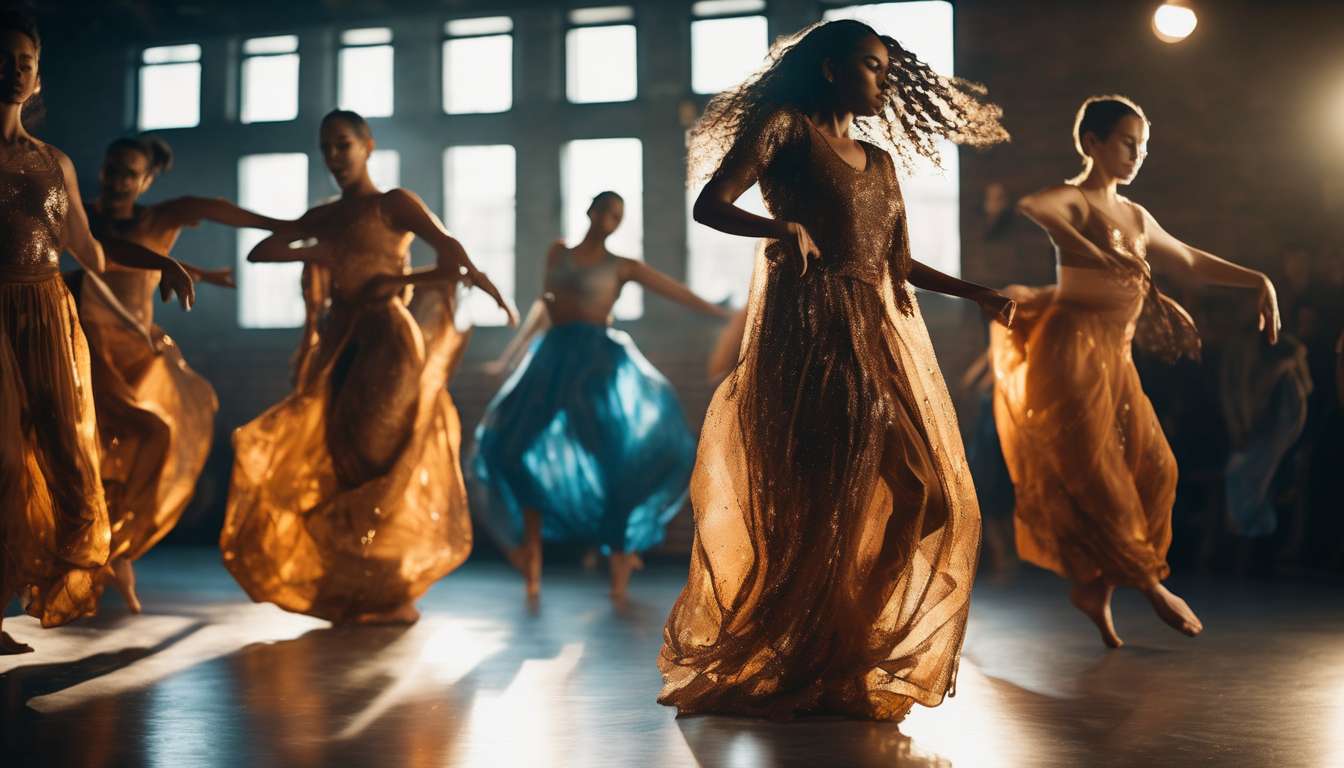
"Tides shift, and so do our judgments."
We gather around this observation not as passive onlookers but as active participants in a cultural conversation about exotic dancing.
Historical marginalization and changing visibility
We remember when clubs were relegated to the margins, their performers spoken of in hushed tones; now, debates over agency, labor rights, and artistic expression bring these spaces into mainstream discourse.
How discourse shapes perception
We examine how language, policy, and media representation reshape perceptions, sometimes empowering performers and sometimes reinforcing stereotypes.
Questions of narrative control
We question who gets to tell the story of exotic dance and whose voices remain unheard.
Intersecting factors complicating simple narratives
We consider intersections of gender, class, race, and legality that complicate simple narratives of liberation or exploitation.
Aims and approach
We aim to trace the arc of changing attitudes, spotlight the experiences of dancers themselves, and unpack the societal forces steering public opinion.
Goal
By doing so, we seek a more nuanced understanding of how cultural meanings attached to exotic dancing continue to evolve.
Historical Stigma and Visibility
Over decades we’ve seen exotic dancing both marginalized by moral stigma and pushed into the public eye as visibility increased.
We’ve watched communities wrestle with sex work stigma while workers organized for labor rights and dignity.
We acknowledge how stigma has isolated performers, but we also recognize the ways shared struggle has fostered solidarity—creating spaces where people feel seen and supported rather than shamed.
We’ve noted that media portrayal often simplified complex realities, yet those portrayals sometimes sparked conversations that brought workplace abuses and rights debates into public view.
We want to lean into mutual respect: affirming that dancers deserve safe working conditions, access to healthcare, and legal protections like any other labor force.
We’re committed to framing policy discussions around real needs, not moral panic, and to amplifying the voices of those who do this work.
By centering community and concrete reforms, we can chip away at stigma and build a more inclusive cultural understanding of exotic dancing.
Media Representation Shifts
Over the past few decades, mainstream TV, film, and social media have shifted from caricatures to more nuanced portrayals that highlight performers’ agency, labor issues, and everyday realities.
Storytelling now often centers dignity and community, pushing back against sex work stigma by humanizing characters and showing the systems shaping their choices.
Conversations about realistic media portrayal emphasize that performers are complex people with relationships, goals, and economic pressures — not just tropes.
We welcome representations that:
- Show how workplaces function — from day-to-day operations to power dynamics.
- Depict how boundaries are negotiated between performers, managers, and clients.
- Illustrate how solidarity forms among dancers and other workers, rather than reducing narratives to victimhood or glamorized fantasy.
By demanding accuracy and empathy, we cultivate inclusion for audiences and creators who want to belong.
We call on journalists and producers to consult people with lived experience so depictions avoid sensationalism and respect privacy.
Thoughtful media portrayal helps normalize conversations about safety, consent, and rights, creating space where performers and supporters can engage without shame.
Labor Rights Movements
Across the country, dancers and allied workers are organizing for fair treatment.
We demand fair wages, safe working conditions, and legal recognition of our rights. By forming collectives, unions, and mutual aid groups we share resources, document abuses, and support members through job transitions and crises.
We push back against stigma and insist on dignity and workplace safety.
Our networks challenge sex work stigma and prioritize practical labor rights—transparent pay practices, anti-harassment measures, and access to benefits—rather than moralizing judgments.
We confront harmful media portrayals by telling our own stories.
By engaging sympathetic journalists and reshaping public narratives, we promote empathy and accuracy instead of isolation and sensationalism.
We provide direct community support and coordinate collective action.
- We mentor newcomers and offer legal referrals.
- We coordinate strike actions and other collective responses when clubs violate standards.
- We use community forums and social platforms to organize and educate.
Our advocacy is grounded in solidarity, clear demands, and public education.
Together we foster belonging and persistent public outreach, refusing to accept invisibility and precarious work as the default for those who entertain adults.
Legal and Policy Impacts
We’re tracking how local, state, and federal policies shape dancers’ rights and safety, and how advocacy efforts are changing legislation, enforcement, and workplace standards.
We see laws that criminalize aspects of exotic dancing — often rooted in sex work stigma — which undermines labor rights and leaves performers vulnerable.
Together we follow policy shifts that:
- Decriminalize consensual adult work.
- Tighten safety regulations.
- Clarify classification of workers versus contractors.
These changes directly affect access to benefits, collective bargaining, and legal recourse.
We’re also attentive to enforcement patterns: selective policing and zoning restrictions can displace communities and limit economic mobility.
As allies, we support transparent rulemaking processes that center affected people’s voices and expertise.
We challenge harmful media portrayals that frame policy debates as moral panics instead of labor and safety issues, and we push for data-driven approaches such as:
- impact assessments
- enforcement audits
- measurable workplace standards
By joining advocacy coalitions, we help turn policy wins into sustained protections that foster belonging, dignity, and equitable treatment.
Performers’ Narratives
We center performers’ own stories to reveal how dancing shapes their identities, risks, and claims for respect and protection.
We listen to people who describe pride in craft, strategies for safety, and the emotional labor that often goes unseen.
We acknowledge how sex work stigma colors interactions with family, employers, and service providers, and we refuse to let shame drown out dignity.
We talk about demands for labor rights as concrete steps that honor performers’ expertise:
- Fair pay.
- Predictable schedules.
- Access to health and legal resources.
We critique media portrayals that flatten nuance into spectacle or moral panic, and we push for storytelling that reflects complexity and consent.
We create space where performers can lead conversations about policy and community support.
We build networks that respond to practical needs without judgment.
By centering these narratives, we cultivate belonging, amplify calls for safety and respect, and move public understanding toward policies that treat dancers as workers with rights and voices.
Intersectional Perspectives
We examine how race, gender, class, immigration status, disability, and sexuality intersect to shape dancers’ experiences, access to resources, and demands for recognition.
We recognize that overlapping identities influence who feels safe, who gets tipped well, and who can access legal protections.
We note how sex work stigma compounds marginalization for immigrant and disabled performers, limiting their bargaining power and access to healthcare.
We insist that labor rights advocacy must center those most excluded, listening to multilingual organizers and peer-led mutual aid.
We challenge narrow media portrayals that flatten complex lives into stereotypes, and we push for storytelling that reflects diverse needs and strengths.
We believe belonging grows when policy, venues, and audiences respect autonomy, provide accommodations, and support economic stability.
We commit to amplifying voices across intersections so reforms address real barriers rather than assumptions.
By grounding reform in lived experience, we build a more just, inclusive scene where dignity and safety are shared priorities.
Public Opinion Trends
We track shifting public attitudes toward exotic dancing and how polls, local debates, and high-profile court cases shape support for regulation, decriminalization, or moralizing restrictions.
We see communities grappling with competing narratives.
- Some emphasize sex work stigma and protection from exploitation.
- Others highlight performers’ labor rights and autonomy.
We follow survey trends showing changes in public sentiment.
- There are modest declines in punitive sentiment where organizing and visible advocacy connect dancers with allies.
- There are spikes in moralizing responses after sensational media portrayals of isolated incidents.
We aim to build solidarity by centering voices directly affected and translating polling data into humanizing stories rather than tokenizing them.
We monitor how framing alters public thresholds for policy change.
- Comparisons include safety versus morality and work versus vice.
- Framing influences whether communities favor regulation, decriminalization, or restrictive measures.
We encourage readers to consider the evidence and participate in local conversations.
- Review research on workplace standards, harm reduction, and decriminalization models.
- Engage in community dialogue to move debates away from stigma and toward policies grounded in dignity and labor protections.
Together, we can shift narratives away from stigma and toward policies that respect performers’ rights and safety.
Future Cultural Trajectories
Looking ahead, we expect cultural attitudes to keep shifting as organizers, policymakers, and communities contest whether exotic dancing is treated primarily as work, a public vice, or a site for harm-reduction interventions.
We see growing alliances that push back against sex-work stigma while insisting on worker protections; those alliances will shape policy debates and local ordinances.
We’ll advocate for labor rights that reflect the realities of performance, payment, and safety, and we’ll support community-led harm-reduction practices that reduce criminalization and marginalization.
We’ll also watch how media portrayal evolves:
- When stories center dancers’ agency and working conditions, public empathy grows.
- When coverage relies on sensationalism, stigma hardens.
As people seeking connection, we’ll foreground voices of current and former dancers in policymaking, research, and storytelling to rebuild trust and belonging.
Over the next decade, our efforts to combine rights-based legal reforms, public-health approaches, and responsible media will determine whether cultural change deepens or stalls.
How do exotic dancers manage personal relationships and dating given societal judgments about their work?
We talk about how exotic dancers manage dating amid judgment.
We set boundaries, share work details selectively, and seek partners who respect our autonomy.
We lean on trusted friends and communities for support.
We practice clear communication about safety and expectations.
We prioritize partners who value honesty over stigma.
We create routines to separate work from personal life, nurturing intimacy and trust.
We reject shame and insist on mutual respect.
What are the typical healthcare and mental health resources available specifically for exotic dancers, and how accessible are they?
We ask about healthcare and mental health resources for exotic dancers and find varied options.
Primary medical resources include:
- Community clinics and federally qualified health centers (FQHCs) that offer low-cost or sliding-scale care.
- Dedicated STI testing and sexual health clinics.
- Clinic partnerships with clubs in some areas that provide onsite or referral services.
Primary mental-health and support resources include:
- Peer-led support groups and mutual-aid networks.
- Online forums and social-media groups for shared information and emotional support.
- LGBTQ+ organizations and sex-worker health groups that provide counseling, case management, and harm-reduction services.
Access and barriers vary by location and circumstance.
Common barriers are:
- City-specific availability and local legal climate affecting services.
- Unstable or late-night work hours that make scheduling appointments difficult.
- Stigma, confidentiality concerns, and fear of discrimination.
- Cost and lack of insurance or insufficient coverage.
We often navigate these challenges by:
- Combining multiple resources (e.g., clinic care + peer support).
- Seeking organizations known for sex-worker–affirming practices.
- Using online and after-hours options when in-person care is inaccessible.
How do financial planning, retirement, and long-term career transition strategies differ for exotic dancers compared with workers in more traditional industries?
Key differences in financial planning, retirement, and career transition for exotic dancers vs. traditional workers
Income characteristics
- Exotic dancers: Irregular, often cash-based income with wide fluctuations.
- Traditional workers: More predictable, regular paychecks (salary or hourly).
Benefits and employer support
- Exotic dancers: Typically limited or no employer-provided benefits (no 401(k), employer health insurance, or paid leave).
- Traditional workers: Often have access to employer-sponsored retirement plans, health insurance, and other benefits.
Saving and emergency planning
- Exotic dancers: Prioritize building larger emergency savings due to income variability.
- Traditional workers: Can often rely on steady cash flow and employer benefits to manage short-term needs.
Retirement strategies
- Exotic dancers:
- Use independent retirement accounts such as IRAs or SEP IRAs (for those treated as self-employed).
- Contribute consistently when possible and adjust contributions during higher-earning periods.
- Traditional workers:
- Often utilize 401(k) plans with possible employer matching, plus IRAs as supplements.
Tax and recordkeeping
- Exotic dancers: Need tax-savvy recordkeeping to track cash earnings, tips, and business expenses; may need to remit self-employment taxes and save for quarterly estimated taxes.
- Traditional workers: Income and withholdings are usually documented by employers, simplifying tax filing.
Career-transition planning
- Exotic dancers:
- Focus on building transferable skills, pursuing education or certifications, and networking for alternative careers.
- May need to plan for retraining periods without steady income.
- Traditional workers:
- Often have clearer paths for internal advancement or transitions, with potential employer support for training.
Mental health and support
- Both groups should prioritize mental health support during transitions, but exotic dancers may face unique stigma and stressors requiring tailored resources.
Advising and community resources
- Exotic dancers: Benefit from community-based financial counseling and peer networks that understand gig/cash-based realities.
- Traditional workers: May access mainstream financial advisors and employer-sponsored counseling.
Overall approach
- Establish a robust emergency fund—especially critical for irregular earners.
- Use appropriate retirement accounts based on employment status (IRA/SEP vs. 401(k)).
- Maintain meticulous records and plan for taxes if self-employed.
- Invest in skills, education, and networking to enable career transitions.
- Seek mental health and community financial support to build stable, long-term plans.
Conclusion
You’ve seen how attitudes toward exotic dancing have shifted—from stigma and secrecy toward visibility and nuanced media portrayals.
You’ll encounter diverse narratives that complicate simple judgments.
You’ll recognize intersectional factors affecting experience and public opinion.
Labor rights and legal battles are reshaping performers’ work.
As cultural trajectories continue to evolve, you’ll be asked to:
- Reconsider assumptions.
- Support equitable policies.
- Listen to performers’ voices so that future conversations stay informed, respectful, and just.