
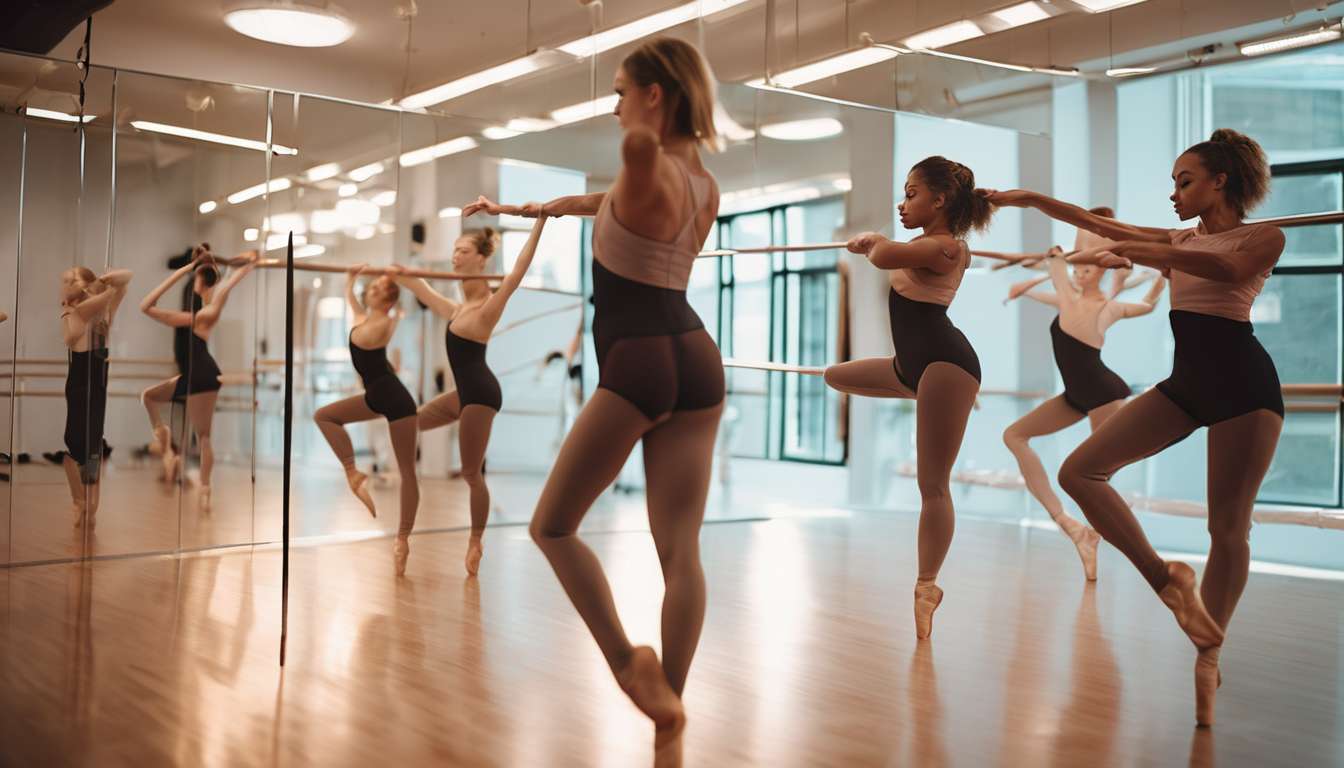
Unprepared performers often face unstable incomes, limited career longevity, and inadequate access to health and safety resources — problems that comprehensive training programs aim to solve.
We see colleagues arrive full of talent but lacking guidance on injury prevention, contract negotiation, or business planning, which leads to avoidable setbacks.
By framing training as a solution rather than a luxury, we can shift industry norms toward professionalism and sustainability.
Our article examines how structured curricula, mentorship, and certification pathways address those specific gaps, equipping dancers with:
- performance technique
- financial literacy
- workplace rights awareness
We explore program models that reduce risk, enhance earning potential, and foster community support, drawing on practitioner experiences and program outcomes.
Together, we argue that investing in accessible, high-quality training transforms individual careers and elevates the profession as a whole — creating safer, more resilient paths for people who choose exotic dance as their vocation.
Industry Challenges and Needs
We face persistent industry challenges and unmet needs that demand targeted training, clearer safety standards, and stronger support systems.
Many peers enter without access to comprehensive exotic dance training that covers technique, stagecraft, and real-world workplace practices.
We want spaces where performer safety and injury prevention are taught as fundamentals, not afterthoughts, so we can protect our bodies and prolong careers.
We need reliable guidance on contract and financial literacy to:
- negotiate fair shifts and understand employer policies,
- distinguish tips versus wages and document income,
- plan for taxes, savings, and long-term financial stability.
We’re seeking community-centered programs that validate diverse identities and offer practical resources, including:
- legal clinics for contract review and rights education,
- peer-led safety protocols and reporting pathways,
- workshops on de-escalation, ergonomics, and injury prevention.
We also want mentorship and accessible continuing education so newcomers and veterans alike can advance professionally without isolation.
By advocating for standardized policies and shared curricula, we strengthen collective bargaining power and create environments where everyone:
- belongs and performs with dignity,
- earns sustainably,
- and feels confident and supported on and off stage.
Core Performance Skills
Core performance skills: movement technique, stage presence, and musicality
We focus on the skills that let dancers perform confidently and consistently.
Movement technique training
- We train together to build a clean movement vocabulary: isolations, transitions, floorwork, and aerial or pole fundamentals.
- Classes use progressive drills so everyone advances safely.
- We tie technique to musical phrasing so routines feel intentional and expressive.
Stage presence and audience connection
- We nurture stage presence by practicing sightlines, character work, and audience engagement strategies that create connection without compromising boundaries.
- In-group feedback and peer mentoring foster belonging and reinforce professional standards.
- We integrate basics of exotic dance training with discussions on performer safety and injury prevention, ensuring technique supports longevity.
Practical business and career skills
- We pair performance development with practical knowledge: reading contracts, budgeting tips, and contract and financial literacy essentials.
- These skills help performers translate artistry into stable income.
Overall approach
By combining technical craft, supportive community, and business awareness, we prepare dancers to perform with artistry, resilience, and the confidence to navigate a professional career.
Injury Prevention Strategies
We prioritize proactive injury prevention.
Key practices taught:
- Warm-ups
- Strength and mobility routines
- Recovery practices
These keep dancers healthy and performing consistently.
We build a supportive community.
Focus areas:
- Body-awareness cues
- Technique adjustments
- Partner-safe transitions
These ensure members feel seen and safe.
Exotic dance–specific conditioning.
Targeted areas:
- Hips
- Core
- Shoulders
- Ankles
Conditioning reduces common strains and improves longevity.
Progressive load management and recovery.
What we teach:
- Progressive load management and cueing when to rest.
- Evidence-based recovery tools (foam rolling, sleep hygiene, nutrition basics).
- Referral to physical rehab when needed.
Performer safety and accident prevention.
Covers:
- Stage setup
- Footwear choices
- Safe prop usage
These steps prevent accidents during performance.
Communication and reporting.
Emphasis on:
- Communication skills for requesting accommodations.
- Reporting hazards without judgment.
Scope and limits.
Note:
- We reference contract and financial literacy resources as part of holistic career support, but the primary focus here is preventing harm so dancers can pursue opportunities with confidence.
Our commitment.
Goal:
Together, we commit to practical, repeatable routines that keep our community resilient and thriving.
Financial Management Training
We teach practical money-management skills so dancers can budget, save, and plan for both short-term needs and long-term goals.
In our exotic dance training program, we build a community where everyone learns to track income, manage irregular pay, and set emergency funds so no one faces undue stress after a slow week.
We cover taxes, basic bookkeeping, and strategies for seasonal cash flow that respect performer safety and injury prevention by encouraging savings earmarked for medical care and downtime.
We introduce contract and financial literacy fundamentals, including:
- How to read pay agreements.
- How to calculate effective hourly rates.
- How to spot unclear compensation terms.
Detailed legal advice is reserved for the next module.
We model simple budgeting templates, savings rhythms, and investment basics that feel accessible.
In group sessions, participants share tactics and accountability, strengthening belonging and practical skill-building.
We keep lessons hands-on and jargon-free so dancers leave confident handling wages, tips, and benefits, protecting income and wellbeing as professional performers.
Legal Rights and Contracts
In this module we’ll explain dancers’ core legal rights, how to read and negotiate contracts, and when to seek legal help.
We’ll outline workplace protections, wage and tip laws, and how to document incidents affecting performer safety and injury prevention.
Together we’ll learn key clauses to watch for in booking agreements, non-compete language, and intellectual property considerations for our stage names and content.
We’ll practice contract and financial literacy skills, including:
- identifying payment schedules
- fee deductions
- dispute-resolution terms
We’ll role-play negotiation scripts to build confidence.
We’ll also cover when to consult an employment or entertainment attorney and how to access low-cost legal resources so no one feels isolated facing a complex contract.
This module integrates exotic dance training with practical legal tools so we can protect our earnings, bodies, and careers.
We’ll leave with:
- checklists
- sample clauses to request or reject
- clear steps to escalate violations while supporting one another’s safety and long-term professional stability.**
Mentorship and Peer Networks
We’ll build strong mentorship and peer networks so we can share practical tips, referrals, and emotional support throughout our careers.
We create small cohorts from exotic dance training and steady groups that meet regularly to swap stage techniques, music cues, and venue recommendations.
- These cohorts provide ongoing practice and accountability.
- They help maintain performance standards and encourage creative growth.
We mentor newcomers on performer safety and injury prevention, teaching warm-ups, floor skills, and strategies to manage fatigue so everyone stays healthy.
- Warm-ups and conditioning to reduce strain.
- Floor-work training and safe spotting techniques.
- Fatigue-management strategies including pacing and rest.
We pair experienced performers with newer ones for shift shadowing and real-time feedback, building trust and belonging.
- Shadowing offers practical, on-the-job learning.
- Immediate feedback accelerates skill development and confidence.
We also use our networks to improve contract and financial literacy, running peer-led workshops on fee negotiation, tip tracking, budgeting, and understanding venue agreements without turning to outsiders who don’t get our work.
- Fee negotiation tactics and role-play.
- Simple bookkeeping and tip-tracking systems.
- Reading and reviewing venue agreements collectively.
We cultivate boundaries, de-escalation tactics, and mutual aid funds for emergencies.
- Clear personal and professional boundary-setting.
- De-escalation and safety protocols for difficult situations.
- Emergency mutual-aid resources and rapid-support procedures.
We document best practices and resource lists, so knowledge stays with the group.
- Maintain shared files, guides, and contact lists.
- Update resources after workshops and incident reviews.
By centering mutual respect and practical help, we strengthen careers, safeguard wellbeing, and ensure no one has to navigate this work alone.
Certification and Career Pathways
Certification levels + flexible career pathways that recognize progression and transferable specialties.
-
Define tiered credentials tied to demonstrated competencies in:
- Technique
- Stagecraft
- Client communication
-
Include measurable milestones so members feel seen and growth is trackable.
-
Offer options for career directions such as teaching, choreography, or management that build on certification levels.
Certifications with modular curriculum and assessments.
- Core modules: exotic dance training fundamentals.
- Advanced specialty tracks: e.g., pole artistry, floorwork, burlesque, sensual movement.
- Instructor qualification assessments: practical exams, teaching demonstrations, and mentorship requirements.
Performer safety and injury prevention integrated at every level.
- Teach safe warm-ups, load management, and movement modifications for diverse bodies.
- Include ongoing education on injury prevention, recovery strategies, and access to rehabilitation resources.
- Emphasize long-term career sustainability so colleagues can thrive.
Career pathways that map lateral and vertical moves.
-
Show how performance credentials translate into roles such as:
- Choreographer
- Studio or company leader
- Advocate or community organizer
-
Provide clear lateral move pathways (e.g., performer → assistant choreographer → head choreographer).
Certification paired with contract and financial literacy.
- Workshops on negotiating gig terms, budgeting, and tax basics.
- Practical tools: contract templates, rate-setting guides, bookkeeping basics.
Shared professional language and clear next steps for belonging and advancement.
- Standardized credentials and competencies create mutual expectations across venues and communities.
- Provide roadmaps and mentorship to help members plan advancement and shape sustainable careers.
Program Accessibility and Impact
We’ll make programs accessible by removing common barriers.
Affordable fees, flexible scheduling, sliding-scale scholarships, and remote or low-cost entry options will expand access so more people can join and benefit.
We design exotic dance training that meets participants where they are.
Daytime, evening, and weekend cohorts; recorded sessions; and pop-up community classes ensure everyone feels included and can participate on their own terms.
We prioritize clear pathways from beginner to professional.
This reduces intimidation and builds confidence through structured progression and supportive mentoring.
We measure impact and adapt based on evidence.
We track retention, career outcomes, and wellbeing indicators, and use participant feedback to revise curricula and programming.
We integrate performer safety and injury prevention throughout training.
Body mechanics, warm-ups, recovery, and boundary-setting are taught in every module so dancers can sustain long, healthy careers.
We provide contract and financial literacy lessons.
Topics include negotiation, budgeting, taxes, and understanding agreements, so members leave empowered rather than exploited.
Overall goal:
By removing barriers and delivering practical, welcoming training, we create a supportive network where people belong, grow, and thrive in their chosen careers.
How do programs address safety and security concerns specific to on-site venue work, such as harassment, aggressive patrons, or late-night transportation?
We prioritize practical, inclusive on-site safety and security.
We train staff on de-escalation, boundary-setting, and recognizing risky behavior.
We set clear reporting paths and partner with venues to enforce zero-tolerance policies.
We provide trustworthy after-hours support, including:
- arranging trusted transport options,
- setting up check-ins, and
- implementing buddy systems for late nights.
We collaborate with local advocates and law enforcement when needed to keep everyone safe and respected.
Do any training programs offer guidance on marketing a personal brand online, managing social media, or building a following without violating platform rules?
We’ve seen programs that teach online brand building, social media strategy, content planning, and community engagement while stressing platform rules.
We’ll learn to craft our image, use analytics, and schedule posts to grow followers safely.
We’ll practice boundary-setting, monetize without explicit violations, and adapt to policy changes.
We’ll support each other with templates, captions, and peer feedback so everyone feels included and protected as they expand their digital presence.
Are there modules that cover transitions out of exotic dancing into other careers, including résumé translation, interview preparation, or apprenticeship placements?
Short answer: Yes — many programs include career-transition modules that specifically help exotic dancers translate their performance skills into employer language, develop résumés, prepare for interviews, and connect to apprenticeships or vocational training.
Common components of these modules:
-
Skills translation and career exploration
- Help participants identify transferable skills (e.g., customer service, sales, public speaking, time management, branding, conflict resolution).
- Translate performance-oriented language into employer-friendly terms and job descriptions.
-
Résumé and application support
- Create or revise résumés and cover letters that highlight transferable skills.
- Build targeted résumés for different career pathways (retail, hospitality, social services, trades, office work, entrepreneurship).
-
Interview preparation and coaching
- Conduct mock interviews with constructive feedback on answers, body language, and professional presentation.
- Practice responses to common and sensitive questions (employment gaps, previous industry).
- Coaching on disclosing past work history when desired and handling stigma.
-
Career planning and goal-setting
- One-on-one or small-group career counseling to set short- and long-term goals.
- Development of stepwise action plans (training, certifications, job search milestones).
-
Connections to training, apprenticeships, and employers
- Referrals and partnerships with vocational programs, community colleges, trade apprenticeships, and employer partners open to hiring people with nontraditional backgrounds.
- Support navigating enrollment, financial aid, and scheduling.
-
Networking and professional development
- Guidance on building professional networks, using LinkedIn, informational interviews, and workplace etiquette.
- Workshops on workplace norms, digital presence, and personal branding for nontraditional career paths.
-
Supportive services and stigma reduction
- Trauma-informed, nonjudgmental counseling and peer support.
- Referrals to childcare, housing, legal aid, mental health, and substance-use services that reduce barriers to employment.
Best practices for programs serving current or former exotic dancers:
- Use trauma-informed, nonstigmatizing language and confidentiality safeguards.
- Center participant choice — allow individuals to set their own career goals and timelines.
- Employ coaches who understand the industry or have lived experience, when possible.
- Combine practical skills (résumé, job search) with structural supports (training funds, employer partnerships).
- Track outcomes and solicit participant feedback to refine services.
If you’d like, I can:
- Draft a sample module curriculum (multi-week) with session-by-session objectives and activities.
- Create résumé templates and example phrases that reframe performance experience for specific job types.
- Suggest local or national apprenticeship/training partners depending on your region. Which would you prefer?
Conclusion
You’ve seen how training can address the industry’s challenges and give you core performance skills, injury prevention tools, financial literacy, and legal awareness.
With mentorship, certification pathways, and accessible programs, you’ll build a safer, more sustainable career and stronger peer networks.
Investing time in well-rounded training helps protect your body, finances, and rights while opening opportunities for advancement.
Embrace continued learning so your exotic dancing career can be professional, empowered, and resilient.