
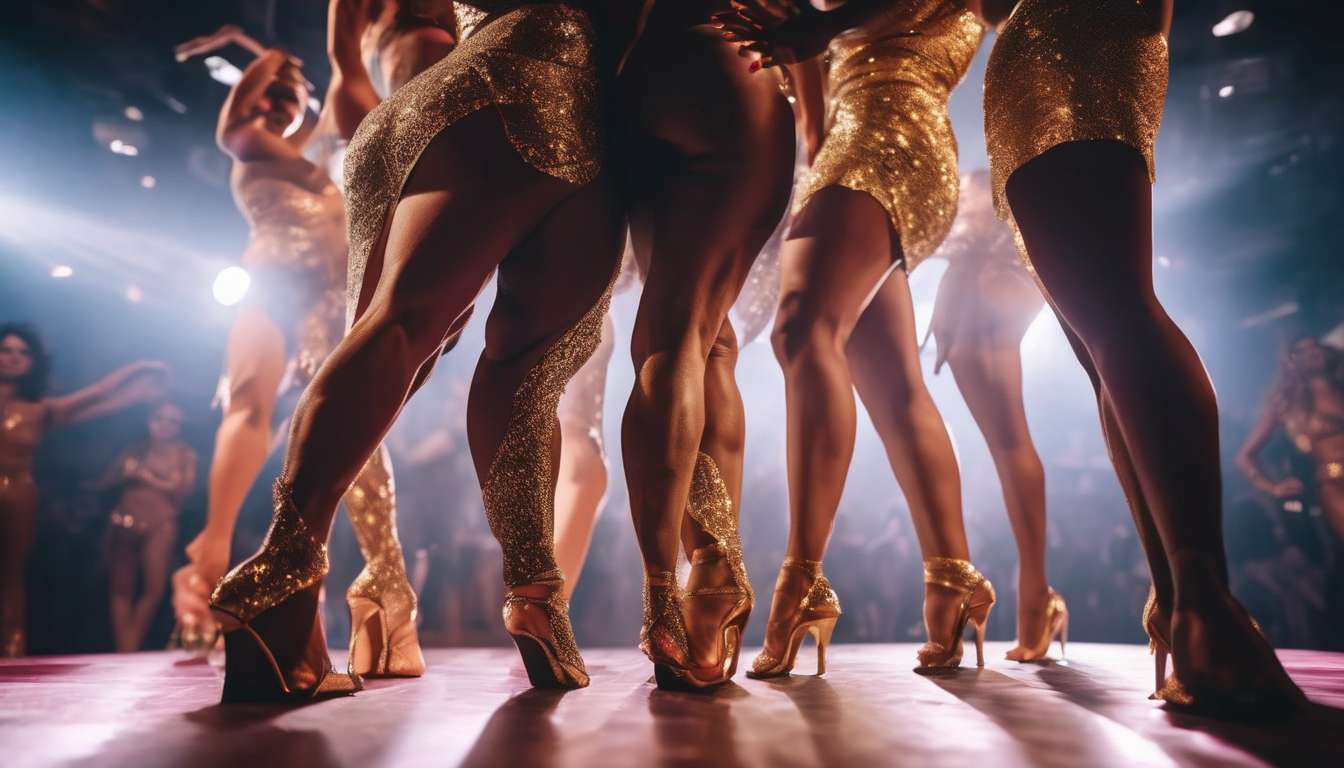
A single evening last winter changed how we saw the stage. We watched a veteran performer quietly refuse a club’s policy and, instead of being escorted out, spark a conversation that led to a rewritten contract and safer working conditions for everyone.
We remember the hush as colleagues gathered. They traded stories of unfair fees, insecure shifts, and the daily calculus of personal safety.
That night crystallized what many of us had felt for years. Dignity, autonomy, and legal protections for exotic dancers are not peripheral concerns but foundational to the art and livelihood we practice.
As performers, managers, advocates, and patrons, we now stand at a crossroads. Policy, labor rights, and cultural attitudes intersect, prompting new possibilities and difficult choices.
This article explores how emerging legal frameworks, collective organizing, and shifting public perceptions are reshaping the industry. It offers a path toward sustainable, respectful spaces where performers can thrive without compromising creative freedom or personal safety.
Legal Recognition Efforts
We’ve pushed for legal recognition of exotic dancers as performers to secure labor protections and access to workplace rights.
We’ve come together to show that performer rights aren’t abstract—they’re about dignity, predictable pay, and protection from harassment.
By challenging outdated classifications, we’re asking courts and legislators to see us as workers whose work deserves the same respect granted other artists and service professionals.
We know that clear legal status strengthens our ability to pursue labor organizing and to negotiate contracts, benefits, and fair scheduling without stigma.
That status also lays the groundwork for enforceable workplace safety standards—lighting, security protocols, and emergency procedures that protect both performers and staff.
We’re building alliances with sympathetic advocates, attorneys, and community members who value inclusion and fair treatment.
Together, we’re shifting the conversation from moral judgment to rights and responsibilities, insisting that people who perform deserve safe, stable, and respected working conditions.
This effort centers our shared belonging and practical protections.
Labor Organizing Momentum
Across cities, we’re organizing clubs, meetings, and campaigns to win collective bargaining, fair schedules, and protections that keep dancers safe and paid.
We’re building networks where every performer rights concern is heard, and we’re turning individual frustrations into shared strategy.
We meet regularly, train members in negotiation, and map employer practices so we can press for transparent pay and predictable shifts.
Our labor organizing connects venues, advocates, and allies, creating mutual aid during disputes and strengthening legal challenges.
We celebrate small victories — reinstated hours, clarified tip policies, recognition of scheduling abuses — because they prove solidarity works.
We welcome newcomers, share resources, and mentor organizers so more voices shape our demands.
We insist on accountability from management while pushing for contracts that respect autonomy and income stability.
By coordinating actions and keeping communication open, we’re changing power dynamics in clubs and beyond.
This momentum shows that when we organize together around performer rights and workplace safety, we’re not asking for favors — we’re claiming what’s ours.
Safety and Workplace Standards
We demand clear safety standards and enforceable workplace rules that protect dancers from harassment, violence, and exploitative labor practices.
Safety isn’t optional — it’s a foundation for dignity.
As communities committed to performer rights, we push for the following concrete protections:
- Standardized incident reporting mechanisms.
- Panic buttons accessible to performers.
- Trained security personnel.
- Adequate lighting throughout the workplace.
- Private changing areas.
We want policies that center consent and de-escalation, and we expect management to enforce them consistently.
Through labor organizing, we build solidarity so individual concerns become collective power; that’s how we secure real, lasting change.
Specific accountability and training measures we call for:
- Regular safety audits.
- Anonymous feedback channels for performers.
- Mandatory training for staff and performers on boundaries and bystander intervention.
- Clear remedies and enforcement when safety standards are breached.
Workplace safety must cover physical, emotional, and economic harms.
Together, we create environments where everyone feels seen, supported, and protected — because thriving workspaces depend on mutual responsibility and collective action rooted in respect for performer rights.
Contract Transparency Practices
We demand clear, written contracts that we can review, understand, and negotiate before any work begins.
Contracts must be transparent and specific.
- They should explicitly state pay, how tips are handled, shift expectations, and termination terms.
- Plain-language wording is required; vague clauses that undermine bargaining power are unacceptable.
- Oral-only arrangements will not be accepted.
We organize collectively to improve contract standards.
- Share contract examples and redline unfair provisions.
- Push management for standard templates that reflect performers’ needs.
- Use labor organizing to standardize protections for earnings and workplace safety.
Key protections to include in standardized contracts:
- Security and incident-reporting policies.
- Clear access to emergency support.
- Explicit procedures for disputes and contract enforcement.
We prioritize mutual accountability.
- Venues commit to honoring written terms.
- Performers commit to professional standards.
Why this matters:
- Clear, negotiable contracts reduce disputes.
- They strengthen community bonds and performer rights.
- They help elevate working conditions across the industry.
Anti-Discrimination Measures
We demand policies and practices that prevent discrimination based on race, gender, sexual orientation, gender identity, body type, disability, immigration status, or age and ensure equal access to work and services.
We’ll create clear reporting channels, unbiased hiring standards, and regular audits so every performer feels safe and valued.
We know performer rights are stronger when we act together, so we’ll center labor organizing to give dancers collective power to challenge biased policies and win remedies.
We’ll insist on anti-retaliation protections so workers can report harassment or denial of shift access without fear.
We’ll work with venues to adopt inclusive practices that remove barriers to participation:
- Inclusive dress codes that do not police gender or body type
- Accessible facilities and accommodations for disabilities
- Scheduling that respects caregiving responsibilities and immigration constraints
We’ll train managers to recognize implicit bias and enforce equitable pay practices tied to transparent contracts.
These steps reduce discrimination and improve workplace safety, reinforcing community trust.
By organizing, documenting incidents, and pushing for clear accountability, we’ll build an industry where belonging is real and rights are respected.
Training and Professionalization
We’ll develop standardized training programs and clear certification pathways that teach safety, business skills, and artistic craft so dancers can professionalize their work and command fair compensation.
We’ll build curricula together that cover legal rights, financial literacy, choreography, injury prevention, and de-escalation, creating shared language and expectations across venues.
By centering performer rights, we ensure training isn’t optional window dressing but a foundation for respect and enforceable standards.
We’ll link certification to employer accountability, so venues recognize credentials when hiring and scheduling.
Training will be co-designed with experienced dancers and allies, fostering peer mentorship and collective uplift.
We’ll integrate modules on workplace safety and on how to participate in labor organizing without retaliation, so performers know their options and protections.
This approach creates belonging through mutual recognition: every dancer gains tools, networks, and validated skills.
Ultimately, professionalization strengthens bargaining power, reduces exploitation, and makes our community safer, more skilled, and better positioned to claim fair pay and dignified work.
Public Perception Shifts
We’ll reshape public narratives so exotic dancing is seen as legitimate work deserving respect, legal protections, and fair pay.
We challenge stereotypes by centering performers’ voices.
- Share stories that highlight skill, consent, and professional standards.
- Normalize conversations about performer rights and counter stigma with evidence and lived experience.
We spotlight how labor organizing has transformed other service industries and apply those lessons here.
- Show patrons and policymakers that collective bargaining and clear contracts improve dignity for everyone.
- Use concrete examples of successful organizing to make reforms relatable and actionable.
We build coalitions with allies who value safety and inclusion.
- Link dancer-led efforts to broader social justice movements to expand empathy and political will.
- Cultivate partnerships with labor unions, legal advocates, health providers, and community organizations.
We emphasize workplace safety as central — not optional.
- Promote visible standards for venues, training, and reporting mechanisms.
- Advocate for accessible complaint processes and enforcement to protect performers’ rights.
We invite communities into dialogue through public education and celebration of performer leadership.
- Create campaigns that humanize performers and explain the practical benefits of protections.
- Celebrate performer-led leadership to cultivate belonging and shift opinion toward recognizing exotic dancing as real work that warrants rights, protections, and respect.
Economic Sustainability Models
Overview of goals
We aim to outline practical economic models that help exotic dancers secure steady incomes, benefits, and business stability while maintaining autonomy and safety. The core approaches are cooperative ownership, pooled gig platforms, and employer‑funded benefit trusts, combined with formal labor organizing and hybrid governance models.
Cooperative ownership
- Shared revenue and decision‑making.
- Collective control over hours and client screening.
- Shared liabilities and mutual support.
- Cooperatives reinforce performer rights by placing governance in members’ hands, enabling democratically set policies on pay splits, fees, safety protocols, and membership standards.
Pooled gig platforms
- Standardized, transparent pay splits to reduce unpredictable cash flow.
- Mobile apps that track earnings and tips for easier tax reporting.
- Platforms can centralize bookings, enforce venue standards, and provide clearer scheduling while returning a fair, published portion of revenue to performers.
Employer‑funded benefit trusts and portable benefits
- Access to healthcare, retirement, and paid leave without losing freelance flexibility.
- Benefit trusts are financed by employer contributions or pooled income and administered to provide continuity of coverage as performers move between venues or gigs.
- Portable benefits let dancers retain protections regardless of employment classification.
Formal labor organizing and workplace standards
- Collective bargaining for minimum pay, anti‑fee policies, and violence‑prevention protocols.
- Organizing strengthens enforcement of safety measures (bouncer protocols, client screening, incident reporting) and reduces exploitative practices (excessive house fees, mandatory fines).
Hybrid models
- Combine co‑op governance with platform technology and union‑negotiated standards.
- Hybrids balance scale and worker power by using technology for matching and accounting while keeping control of rules, rates, and safety in performer hands.
Implementation priorities
- Draft clear governance documents (bylaws, membership rules, fee policies).
- Design transparent revenue distribution and bookkeeping systems (digital tools for tips, cash tracking).
- Set safety standards and enforcement mechanisms (training, incident reporting, agreed sanctions).
- Establish funding streams for benefit trusts (employer contributions, percentage of pooled revenue, grants).
- Pursue legal support for cooperative formation and portable benefit structures.
- Coordinate with labor organizations to negotiate baseline standards and legal protections.
Why these models work
- Solidarity and shared governance reduce precarity and exploitative practices.
- Transparent financial systems improve predictability and tax compliance.
- Portable benefits and trusts provide social protections without forcing traditional employment classification.
- Organizing and hybridization allow scale while preserving performer autonomy and safety.
If you’d like, I can draft a sample cooperative bylaw outline, a benefits‑trust funding model, or a prototype app feature list for pooled gig accounting and safety reporting. Which would be most useful next?
How do performers balance artistic expression with legal restrictions on nudity or contact in different jurisdictions?
We ask how performers balance artistic expression with legal nudity or contact limits across jurisdictions.
We learn local laws, collaborate with venues, and adapt choreography to protect rights while honoring creativity.
We share resources, train in consent-focused practices, and negotiate clear agreements with management.
We celebrate inventive costuming, suggestive movement, and storytelling that convey intention without violating rules, so everyone feels safe, included, and proud of our work.
What role do talent agents and managers play in protecting performer rights, and how can performers vet trustworthy representation?
How talent agents and managers protect performer rights
They negotiate contracts. Agents and managers secure fair pay, reasonable working hours, and clauses that protect intellectual property and revenue sharing.
They enforce safety and consent clauses. Reps ensure contracts include explicit terms on workplace safety, consent around performances and content, and procedures for reporting and addressing violations.
They connect performers with fair venues. Reputable reps vet venues, promoters, and production partners to reduce exploitation and unsafe conditions, and they advocate on behalf of performers during booking and on-site negotiations.
How we vet trustworthy representatives
We check references.
- Contact former and current clients to learn about experiences, reliability, and outcomes.
- Ask about dispute history and how the rep handled conflicts.
We review past contracts.
- Examine template agreements for fairness in pay, exclusivity, and termination clauses.
- Look for red flags like excessive exclusivity, ambiguous commission structures, or weak safety/consent language.
We confirm licensing and professional affiliations.
- Verify any required licensing or registrations in the agent’s jurisdiction.
- Prefer reps who belong to recognized industry associations or unions.
We seek peer recommendations.
- Ask trusted performers and colleagues for referrals and honest assessments.
Non-negotiables we insist on
Clear commission rates. We require written, itemized commission structures with no hidden fees.
Termination terms. Contracts must include straightforward, fair termination and notice provisions for both parties.
Written guarantees. Key promises—payment schedules, safety provisions, scope of representation—must be in writing.
Core values guiding our relationships
Transparency. Open communication about fees, bookings, and decisions.
Mutual respect. Representatives must treat performers as partners with agency over their careers.
Shared accountability. Both parties accept responsibility for upholding contracts, safety, and professional standards.
Together, these practices help ensure performer rights are protected and that representatives we work with are trustworthy, professional, and aligned with our values.
How do immigration status and visa restrictions affect international performers’ ability to work and access protections?
We recognize that immigration status and visa restrictions shape international performers’ ability to work, access protections, and feel secure.
We can’t work legally without appropriate visas, which limits opportunities and access to labor rights, healthcare, and unions.
We’ll seek legal counsel, document contracts, and push venues to verify work authorization fairly.
We’ll advocate for clearer visa categories, emergency relief, and community resources so everyone can participate safely and belong.
Conclusion
You’re seeing a turning point. As legal recognition, labor organizing, and clearer contracts take hold, your safety and rights as a performer will improve.
Anti-discrimination measures, standardized training, and workplace standards will help professionalize the field while shifting public perception.
You’ll benefit from greater transparency and sustainable economic models that make dancing viable long-term.
Together, these changes protect your dignity, expand your options, and let you shape a fairer, safer future for exotic performance.