
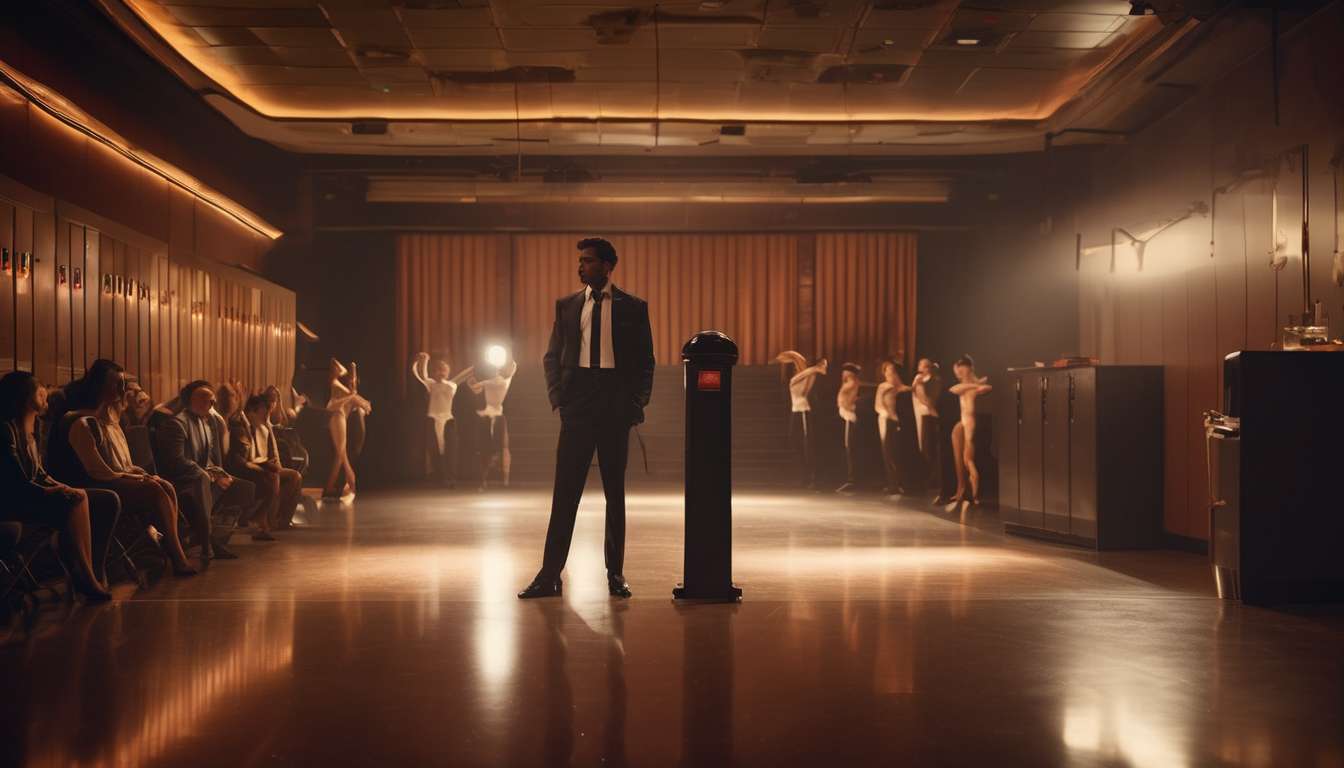
Surveys & key finding
Surprisingly, recent surveys show that over 70% of exotic dancers report improved safety and pay where formal workplace standards have been adopted. This result is both unexpected and overdue.
Evolution of clubs and workplace practices
We have watched clubs evolve from shadowed lounges to venues implementing clear contracts, harassment policies, and health protocols. These changes are transforming how performers and managers interact.
Negotiations and stakeholders
Labor organizers, club owners, and dancers are negotiating terms that prioritize respect, transparency, and legal protections without stripping away artistic freedom.
Concrete shifts in workplace standards
The changes we document include:
- Standardized tip reporting
- Access to benefits
- Designated security measures
Reporting approach
Our reporting centers the voices of those directly affected, pairing lived experience with policy analysis to show not just isolated improvements but a growing movement toward professionalization.
Spread and goal
By tracing how standards spread across cities and legal landscapes, we aim to illuminate the practical steps that are making clubs safer and more equitable workplaces.
Survey Findings
We surveyed 312 current and former exotic dance club workers to identify common workplace conditions, safety concerns, and labor practices.
Key recurring themes were gaps in workplace safety, inconsistent performer wages, and uneven policy enforcement.
Workplace safety
- Many respondents reported feeling safer when clubs maintained visible security, clear incident reporting, and consistent shift protocols.
- Where those measures were absent, people described anxiety and isolation.
Pay structures
- Pay varied widely between venues.
- Some clubs provided stable base pay or fair tip pooling.
- Others relied heavily on unpredictable tips, leaving performers financially vulnerable.
Policy enforcement
- Written rules existed in several venues, but enforcement depended on individual managers, creating an uneven experience across shifts and locations.
Worker perspectives and recommendations
- Despite challenges, respondents expressed solidarity and a desire for reliable standards that recognize their labor and dignity.
- These findings indicate where workers are aligned and where collective action or clearer club commitments could reduce risk and inequity without undermining community.
Safety Improvements
Recommendation summary: To reduce risks identified in the survey, we recommend strengthening visible security measures, standardizing incident reporting, and enforcing consistent shift protocols across venues. These steps will create clear expectations so everyone feels protected and valued.
Visible security measures
- Install uniform lighting to eliminate dark areas and improve visibility.
- Implement monitored entry points (e.g., controlled access, ID checks, cameras where appropriate).
- Deploy trained security staff who coordinate with management and follow shared protocols.
Incident reporting
- Make reporting simple, confidential, and tracked so patterns aren’t missed.
- Standardize reports with clear fields and timelines to ensure consistent data collection.
- Ensure follow-up and accountability so reports lead to timely investigation and remediation.
Policies and enforcement
- Adopt written policies that outline acceptable conduct, emergency procedures, and remediation steps.
- Commit to transparent, fair enforcement so performers trust the process.
- Provide regular safety briefings and anonymous feedback channels to let performers speak up without fear.
Scheduling and performer support
- Enforce consistent shift protocols across venues to prevent confusion and gaps in coverage.
- Ensure scheduling practices prevent fatigue and support steady performer wages by reducing lost shifts from avoidable incidents.
- Collaborate on safety checklists and shared standards to build trust across venues and reinforce a sense of belonging.
Expected outcomes
- Fewer incidents through proactive, consistent measures.
- Improved reporting and data to identify and address recurring issues.
- Stronger community and professional environment that affirms collective responsibility to protect each other.
Pay and Benefits
We’ll examine how pay structures, tip policies, and benefits affect financial stability and job satisfaction for dancers.
Fair performer wages and transparent tip policies build trust and a sense of belonging among staff.
- When clubs adopt clear payout formulas, dancers understand how earnings are calculated.
- Pooled or individual tip tracking gives transparency about who receives what.
- Regular pay statements reinforce that dancers are respected and financially secure.
Benefits like health coverage, paid leave, and access to counseling reduce turnover and signal that dancers are valued as whole people, not just entertainers.
Linking pay practices to workplace safety strengthens everyone’s position.
- When earnings are reliable, dancers can refuse unsafe situations without fearing immediate income loss.
- Consistent policy enforcement around minimum pay, tip transparency, and anti‑retaliation protects workers and fosters collective confidence.
Collaboration between management and crews on measurable standards makes compensation and benefits predictable, equitable, and enforceable.
- Jointly developed standards help ensure pay practices are transparent, fair, and actionable.
- Clear, enforced pay policies help build stable livelihoods and a supportive community within clubs.
Policy Implementation
We’ll put clear, jointly agreed procedures into practice so everyone knows how rules are applied, who’s responsible, and how compliance is measured.
We’ll create easy-to-follow guides that cover workplace safety, performer wages, scheduling, and incident reporting so no one feels sidelined.
We’ll train managers and staff together, run regular briefings, and invite performers to lead sessions — that builds ownership and strengthens community.
We’ll publish transparent monitoring methods and timelines for policy enforcement, and we’ll share results and next steps with everyone on a regular cadence.
We’ll set fair dispute-resolution steps that protect privacy and prioritize quick, respectful outcomes.
We’ll measure success with straightforward metrics:
- Reduced safety incidents.
- Timely wage payments.
- Resolution rates for complaints.
We’ll collect anonymous feedback and tweak procedures when patterns appear, keeping change collaborative not top-down.
We’ll document every update, make materials accessible, and ensure new hires get the same onboarding.
By embedding these practices, we’ll keep standards meaningful, protect people’s livelihoods, and affirm that everyone here belongs and is respected.
Stakeholder Negotiations
We will bring club owners, performers, staff, and community partners together at the table to negotiate clear, enforceable standards that balance safety, compensation, and operational needs.
We will listen for common ground and acknowledge different priorities, ensuring everyone feels valued and heard as part of a shared workplace community.
In these sessions, we will focus on concrete measures:
- Protocols that strengthen workplace safety.
- Transparent approaches to performer wages.
- Agreed procedures for consistent policy enforcement.
We will draft practical language that managers can follow and workers can trust, reducing ambiguity that breeds conflict.
We will set timelines for review and create simple reporting channels so concerns are addressed quickly and fairly.
We will commit to training and joint oversight teams that include representatives from every group, so enforcement isn’t one-sided.
We will use data from pilots to refine terms, and we will document decisions clearly so expectations are mutual.
By negotiating together, we will build standards that respect dignity, protect livelihoods, and make our clubs safer places for everyone.
Performer Perspectives
We will center performers’ voices to capture their daily realities, priorities, and practical suggestions for fair treatment and safer conditions.
We speak as a community that wants respect, clear communication, and tangible protections.
Workplace safety is nonnegotiable:
- Adequate lighting
- Secure exits
- Trained staff to handle conflicts
- Regular risk assessments
We call for transparent performer wages:
- Timely payouts
- Equitable split structures so everyone can plan and feel valued
We want consistent, visible policy enforcement:
- Posted rules
- Impartial reporting channels
- Clear consequences for violations
These measures build trust between performers and management.
We ask for peer-led input on scheduling, break times, and harassment protocols, because lived experience should shape solutions.
We request access to resources and representation:
- Training resources
- Access to health services
- Opportunities for collective bargaining or other forms of representation
By centering connection and shared accountability, we create workplaces where performers belong, earn fairly, and stay safe while doing the work they choose.
Legal and City Trends
Across cities, we’re tracking how local ordinances, licensing regimes, and law-enforcement practices are reshaping legal protections and operational realities for clubs and performers.
Municipal leaders are balancing liability concerns with recognition that clear rules can improve workplace safety and stabilize income streams.
We’re noticing licensing changes that require better lighting, security plans, and incident reporting — measures that directly support performer safety and dignity.
Debates over performer wages are intersecting with zoning and permit conditions.
- Some cities incentivize compliance with transparent pay records.
- Other cities impose fines that disproportionately affect smaller venues.
Inconsistent enforcement undermines trust between workers, owners, and regulators.
We want policymakers to engage with performers and managers so rules reflect on-the-ground realities.
By staying informed and connected, we strengthen a neighborhood of practice where lawful operations, fair pay, and reliable workplace safety can take root and endure.
Best Practice Steps
We’ll outline practical, prioritized steps venues and performers can take to improve safety, transparency, and fair compensation.
1. Establish clear written policies and make them accessible.
- Create written policies covering workplace safety, tipping, and shift rules.
- Post policies in visible areas and provide accessible copies to everyone (physical and digital).
2. Set predictable schedules and transparent compensation rules.
- Publish predictable shift schedules in advance.
- Define and share clear rules for performer wages, fees, and how earnings are calculated so no one has to guess.
3. Create a structured onboarding and training program.
- Develop onboarding that trains staff on de-escalation, consent, and reporting procedures.
- Run regular refresher sessions for all staff and performers.
4. Form a joint safety committee.
- Establish a committee with both performers and management.
- Charge it to review incidents, suggest improvements, and monitor policy enforcement with protections against retaliation.
5. Implement anonymous reporting and timely responses.
- Provide anonymous reporting channels (digital and physical options).
- Guarantee timely, documented responses to complaints.
6. Audit pay practices and share results.
- Conduct quarterly audits of pay and fee practices.
- Share summarized findings with the team to build and maintain trust.
7. Foster community and ongoing dialogue.
- Hold regular meetings where everyone can voice concerns and propose solutions.
- Ensure that safety, fair pay, and respect are integrated into daily practice.
Priority note: Start with written policies, predictable schedules, and onboarding/training—these provide the foundation for the committee, reporting systems, and audits that follow.
How did patrons and audience members react to the new workplace standards in the clubs?
We noticed patrons and audience members reacted with mixed but mostly supportive responses to the new workplace standards.
We appreciated clearer boundaries and felt safer sharing feedback.
Some of us were surprised by changes at first, yet we adapted and stayed engaged.
We celebrated improvements in respect and communication, and we welcomed spaces where performers and guests could connect without discomfort.
Over time, we trusted the updates and felt more included.
What are the long-term mental health resources available to performers beyond immediate safety measures?
We’re asking what long-term mental health resources exist beyond immediate safety measures.
We’ve built ongoing counseling programs, peer support groups, and trauma-informed therapy referrals tailored to performers.
We’re offering affordable clinics, teletherapy access, and resilience workshops, plus substance-use treatment and legal advocacy coordination.
We’re creating mentorship networks and periodic mental-health check-ins, ensuring performers can access sustained, affirming care that honors their experiences and strengthens our community over time.
How did the changes affect non‑performing staff (e.g., bartenders, security, managers) in terms of workload and responsibilities?
We’ve seen non‑performing staff take on more duties and tighter coordination.
Bartenders handled extra guest screening and reporting, and security enforced policies and managed conflict de‑escalation more often.
Managers juggled scheduling, training, and compliance paperwork.
We’ve supported each other, shared burdens, and adapted roles to protect workers and patrons.
Though workloads rose, we’ve built clearer expectations, better teamwork, and a stronger sense of collective responsibility.
Conclusion
You’ve seen how workplace standards are reshaping exotic dancing clubs—safer conditions, clearer pay, and basic benefits are becoming more common.
When managers, performers, and city officials negotiate and adopt practical policies, you get fewer harms and more professional stability.
Keep pushing for transparent rules, enforceable safety measures, and avenues for grievance resolution.
By following proven best practices, you’ll help the industry evolve into a safer, fairer workplace for everyone involved.