
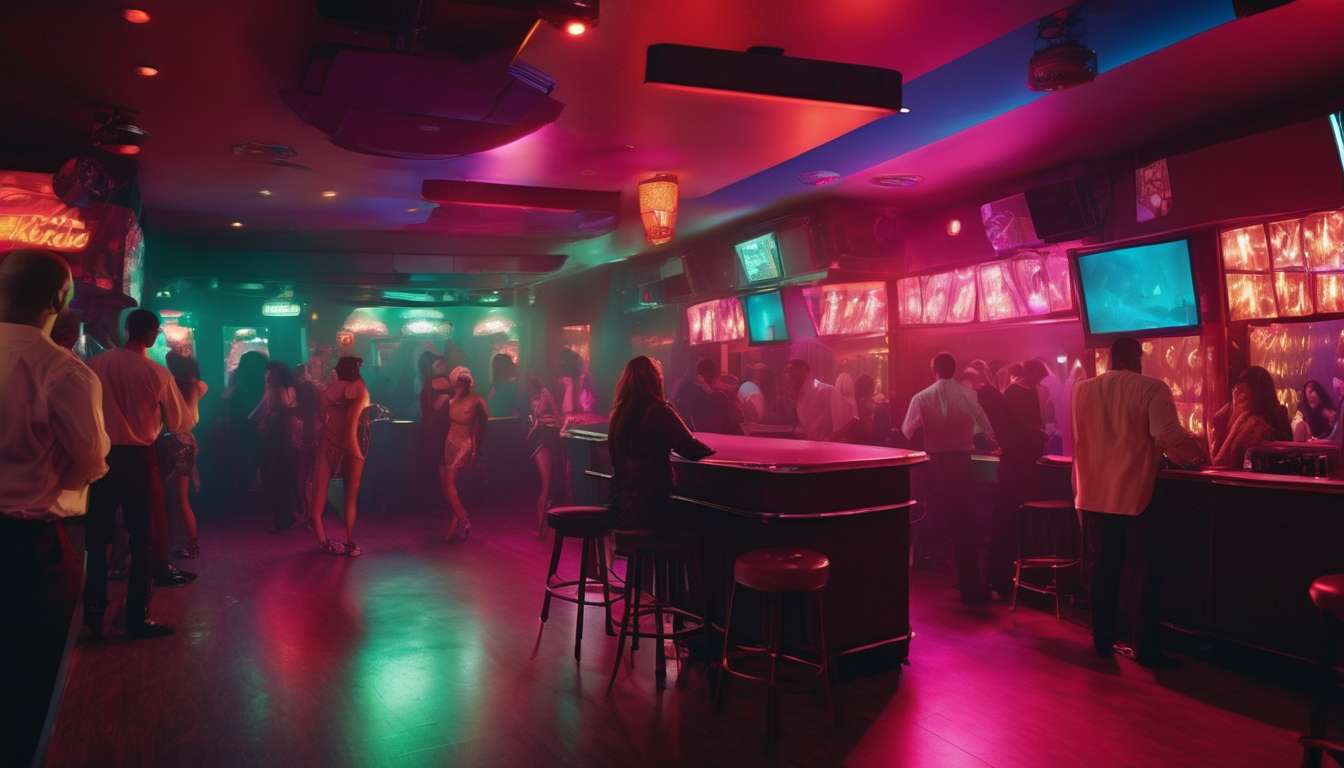
Many venues that once relied on bouncers and back-room chats now resemble high-tech control centers.
We remember when security in exotic dancing clubs meant a watchful doorman and trust in informal codes; today, we navigate RFID wristbands, AI-powered cameras, and integrated incident-reporting apps.
This shift reflects both changing expectations and practical necessities:
- Performers demand safer workspaces.
- Patrons expect discretion.
- Owners face regulatory pressure and liability concerns.
We have observed how technology, policy, and community norms intersect to reshape how safety is managed—sometimes complementing each other, sometimes clashing.
As we examine these evolving practices, we aim to map what’s changing, why those changes matter, and how they affect everyone inside the room.
Our goal is not to sensationalize but to present a balanced picture:
- The benefits of innovation (improved incident tracking, faster response, clearer accountability).
- Questions about privacy, equity, and enforcement (surveillance risks, unequal impacts, policy gaps).
By contrasting past routines with present realities, we seek to illuminate paths toward safer, more respectful venues.
Historical Security Norms
We trace how early security practices evolved from simple, informal measures to organized policies as clubs grew and legal pressures increased.
Early security was largely informal.
- Staff knew regulars and set expectations through house rules.
- Managers established the tone; dancers relied on peer support and informal monitoring.
As venues expanded, access control became more structured.
- Clearer entry policies were implemented.
- ID checks and designated crowd-management staff were introduced.
Incident handling and staff training were formalized.
- Incident reporting procedures were created.
- Teams received de-escalation training.
- Backstage zones were established where performers could regroup and recover.
Community and culture played a key role in safety.
- A sense of belonging and mutual respect reduced confrontations.
- Collective norms and peer support helped keep everyone safer.
Modest surveillance technology supplemented human vigilance.
- Fixed cameras covered entry points and cash zones to deter misconduct and document incidents.
- Privacy concerns were addressed by limiting camera placement and restricting access to recordings.
These early shifts laid the groundwork for today’s comprehensive programs.
- Collective effort, combined with practical measures, strengthened both safety and solidarity in venues.
Driverless Surveillance Tech
We’re seeing driverless surveillance systems—like autonomous drones and mobile robots—take on routine monitoring tasks to extend coverage and reduce response times.
We’re embracing these tools together because they let us protect performer safety while keeping teams lean and focused on people, not repetitive patrols.
We’ll place units to monitor crowd flow, identify hazards, and escort staff when needed, integrating them thoughtfully with human oversight.
As a community, we want surveillance technology that’s predictable, respectful, and transparent.
We’ll set clear operational zones, defined behaviors, and visible indicators so performers and staff know when machines are active.
We’ll also adopt policies governing data retention, access control signals, and incident review to stop misuse and ensure accountability.
That shared framework helps everyone feel seen and secure without feeling watched all the time.
By combining driverless systems with human judgment, we’re creating safer spaces that reflect our values and protect performers while fostering trust among colleagues and patrons.
Access Control Systems
Goal: Standardize restricted-area access using layered methods to keep performers and staff safe without creating bottlenecks.
Access methods
- Badges: Tiered badge system that defines who can enter which zones.
- PINs: Temporary PINs for vendors or visitors to allow limited-time access.
- Biometrics: Used where privacy safeguards are clear and consented to.
- Escort protocols: For situations where personal accompaniment is preferable or required.
Inclusion and clarity
- Design access so everyone feels included and respected: Performers, bartenders, security, and management all know their zones and why limits exist.
- Avoid onerous obstacles: Favor predictable, transparent systems that prioritize performer safety and make the venue feel like a shared, secure workplace.
Integration with incident response
- Tie access control to incident response: Doors, alarms, and select surveillance technology coordinate when thresholds are met to reduce confusion and protect people.
- Thresholds and automation: Predefined triggers determine when additional measures (lockdown, notification, escalation) activate.
Training and culture
- Joint training: Train teams together on entry procedures and escort norms so newer staff feel supported and long-term performers feel heard.
- Clear escort norms: Define when escorts are used, who may act as an escort, and handoff procedures.
Accountability and transparency
- Audit logs regularly: Review access logs and system events to detect anomalies.
- Share summarized findings: Provide community-facing summaries to reinforce trust while preserving privacy.
Principles to follow
- Safety-first: Prioritize performer safety while minimizing disruption.
- Transparency: Make rules and reasons clear to reduce uncertainty.
- Privacy and consent: Use biometrics and sensitive checks only with clear consent and safeguards.
- Proportionality: Apply controls that match the risk without isolating individuals.
If you’d like, I can draft a sample badge-tier matrix, a vendor PIN workflow, or a short joint-training agenda next. Which would be most useful?
Policy and Liability Shifts
As regulations, insurance requirements, and public expectations evolve, we’ll need to reassess our policies and liability frameworks to ensure they fairly allocate risk and protect staff and performers.
We’ll create clear, consistent rules that respect everyone’s dignity while reflecting legal obligations.
That means updating contracts, incident reporting procedures, and training standards so liability is transparent and manageable.
We’ll also align policy with operational controls like access control and surveillance technology, defining who can view footage, how long it’s stored, and how it’s used in investigations.
Our agreements will specify responsibilities for equipment maintenance and data security to reduce legal exposure.
We’ll adopt incident-response protocols that prioritize performer safety without punitive measures that discourage reporting.
Insurance clauses will be reviewed to ensure coverage for modern risks, including cyber threats tied to surveillance systems.
By involving staff and performers in policy development, we’ll build shared ownership, strengthen trust, and create workable liability frameworks that protect the whole community.
Performer Safety Protocols
We will establish clear, practical protocols that ensure dancers can do their jobs without fear of harm, harassment, or retaliation.
Key elements include:
- Mandatory incident reporting with defined channels and timelines.
- De-escalation training for staff and performers.
- Swift, transparent disciplinary action for violations.
- Joint training for staff and performers so everyone understands expectations and feels supported enforcing boundaries.
We will implement layered access control to limit who can reach stage areas, dressing rooms, and backstage.
Measures include:
- Visible access controls and consistent signage so community members recognize safe zones.
- Staff presence and predictable check-ins to maintain safety without relying solely on force or exclusion.
- Role-based access rules (who may enter which spaces and when).
We will adopt surveillance technology thoughtfully to deter misconduct and document incidents while protecting privacy.
Surveillance principles:
- Transparent camera placement focused on public and operational spaces, not private areas.
- Clear protocols for reviewing footage including who may access recordings, retention limits, and audit logs.
- Purpose-driven use with accountability measures to prevent misuse.
We will align procedures with respect to build trust and belonging, so performers know we’ll act quickly and fairly when they need protection.
Expected outcomes:
- Improved safety and reduced incidents.
- Greater confidence among performers and staff.
- A culture where boundaries are respected and supported.
Privacy and Data Concerns
We’ll limit collection and carefully manage personal and sensitive data so dancers, staff, and patrons retain control over their privacy.
We prioritize performer safety by minimizing stored identifiers, encrypting records, and restricting who can see schedules, contact lists, or medical notes.
- Minimize stored identifiers (store only what is necessary).
- Encrypt records both at rest and in transit.
- Restrict access to schedules, contact lists, and medical notes to authorized roles only.
We don’t treat data as disposable; we set retention limits and deletion processes so people know when information is purged.
- Define retention periods for each data category.
- Establish documented deletion workflows and verification steps.
- Communicate retention and deletion schedules to affected people.
We balance necessary access control with respect: role-based permissions, secure badge systems, and audited logs give team members needed tools without exposing others.
- Implement role-based access control (RBAC) with the principle of least privilege.
- Use secure badge and authentication systems for physical and digital access.
- Maintain audited logs of access and changes to sensitive information.
When surveillance technology is used for legitimate security reasons, we define clear policies — purpose, retention, review rights — and communicate them openly so everyone feels respected and informed.
- Specify purpose and scope for any surveillance.
- Set retention limits and periodic review schedules for surveillance data.
- Provide rights to review or request information where appropriate.
We train staff to handle inquiries and complaints, and we offer simple opt-out routes where feasible.
- Provide regular privacy and complaint-handling training.
- Establish clear, easy-to-find opt-out or privacy preference mechanisms.
- Maintain a documented process for responding to inquiries and complaints.
By centering transparent rules, shared ownership, and technical safeguards, we protect privacy while supporting a culture where everyone belongs and can rely on thoughtful, proportionate data practices.
Community-Led Safety Models
We build community-led safety models that put dancers, staff, and regulars in charge.
- We design rules, reporting channels, and on-the-ground responses together.
- We gather people who want to belong and shape policies that center performer safety without isolating anyone.
- We craft clear, shared guidelines for consent, de-escalation, and incident follow-up so everyone knows how to act and whom to trust.
We balance community oversight with practical tools.
- Trained door teams and coordinated access control.
- Mutually agreed protocols for when to involve management or external services.
- Open discussion about surveillance technology, choosing cameras and retention policies that deter harm while protecting privacy and dignity.
We prevent burnout and support people doing the work.
- Rotate responsibility so no single person bears all emotional labor.
- Provide training, peer support, and confidential reporting options.
We review, learn, and celebrate successes.
- Regular policy reviews and learning from near-misses.
- Recognize and celebrate when systems prevent harm.
Outcome: By governing together, we create venues where belonging and safety reinforce each other, and where every voice helps keep the space welcoming and secure.
Future Trends in Venue Security
We’ll track emerging tech, changing laws, and evolving community practices to anticipate risks and adapt our venue security strategies proactively.
We’ll prioritize performer safety through integrated policy, training, and technology.
- Develop clear, performer-centered policies that define acceptable behavior, reporting procedures, and consequences.
- Provide regular staff training on those policies, focusing on de-escalation and trauma-informed responses.
- Deploy technology only where it supports safety and dignity, not surveillance for its own sake.
We’ll balance access control with hospitality by using tiered credentials and discreet entry points.
- Use tiered credentialing (e.g., staff, performers, VIPs) to limit access without creating a hostile guest experience.
- Design discreet entry and circulation paths for performers and staff to reduce exposure to potential threats.
- Ensure access measures are communicated clearly and implemented respectfully.
We’ll adopt surveillance and response technologies thoughtfully, favoring systems that enhance incident response and de-escalation while upholding privacy.
- Select systems that improve situational awareness and evidence collection but minimize intrusive monitoring.
- Establish clear, performer- and staff-agreed privacy expectations and retention schedules.
- Integrate technology with incident-response protocols to speed assistance and reduce escalation.
We’ll push for transparent reporting channels and legal compliance, and collaborate with local agencies and peer venues.
- Maintain accessible, confidential reporting options and ensure timely follow-up.
- Monitor municipal law changes and industry standards; update policies to remain compliant.
- Share lessons learned with local law enforcement, emergency services, and other venues to improve collective safety.
We’ll invest in modular, scalable systems and continuous staff development.
- Implement modular security infrastructure that can scale up or down as needs change.
- Train staff in trauma-informed interactions and scenario-based response drills.
- Regularly review outcomes and adjust practices based on feedback and incident analysis.
By centering belonging and mutual accountability, we’ll create resilient, adaptable security approaches that keep performers safe, preserve dignity, and sustain vibrant, welcoming spaces for everyone.
How do staff members handle intoxicated patrons without escalating to physical confrontation?
We calm intoxicated patrons without turning physical by using clear, respectful communication.
We offer water and a quiet space, and enlist trained teammates to de-escalate.
We set firm, consistent boundaries and explain consequences calmly.
If needed, we call medical or professional help while keeping the person’s dignity.
We document incidents afterward and support each other, so everyone feels safe and included while minimizing harm.
What training do bouncers and security staff receive related to de-escalation and cultural sensitivity?
We train bouncers and security staff in de-escalation techniques and cultural sensitivity so everyone feels respected and safe.
We teach verbal judo, active listening, and body language awareness to defuse tense situations without force.
We include bias-awareness, LGBTQ+ and cross-cultural communication modules, and scenario-based roleplay.
We emphasize empathy, clear boundaries, and referral to medical or social services when needed.
We routinely review and refresh these skills.
Are there standard procedures for responding to medical emergencies or overdoses specific to exotic dancing venues?
Short answer: Yes — many of the standard emergency-response steps you already follow are appropriate for exotic dancing venues, but there are a few venue-specific best practices and legal/operational considerations to add.
Core medical-emergency/overdose steps (you already listed these):
- Call emergency services immediately.
- Secure the area — keep bystanders away, provide space and light for responders, and prevent crowding that can worsen the situation or create evidence contamination concerns.
- Provide basic first aid and CPR if appropriately trained.
- Administer naloxone for suspected opioid overdose if trained and if naloxone is available.
- Document the incident (who, what, timeline, actions taken) and cooperate with EMS/police as required.
- Support staff wellbeing with immediate assistance, post-incident debriefing, and access to mental-health resources.
- Review and update policies after incidents to improve safety and inclusivity.
Venue-specific best practices and additions:
-
Naloxone program details
- Train multiple staff members on intranasal and intramuscular naloxone administration and recognize signs of opioid vs. stimulant/benzodiazepine overdose.
- Maintain clear storage and easy access (not locked away) while accounting for safety and theft risk.
- Keep documentation of naloxone kits, expiration dates, and staff training.
-
Privacy, safety, and legal considerations
- Know local Good Samaritan and naloxone laws — they may affect whether bystanders or staff can legally assist without liability or arrest.
- Prepare a script/policy for how to interact with police/EMS to minimize risk to patrons (e.g., prioritize medical care, share known medical facts, clarify you will cooperate).
- Protect patron privacy in documentation; record factual observations rather than assumptions about drug use or identity.
-
Scene management adapted to club environments
- Train staff to control lighting and sound quickly so responders can work (turn up lights, lower music).
- Identify multiple quick-access routes for EMS to reach the person without negotiating crowds or security gates.
- Designate and train specific staff roles (caller, crowd manager, naloxone administrator, recorder).
-
Staff training and role clarity
- Regular hands-on training (CPR, naloxone, bleeding control, airway positioning) and tabletop drills that reflect realistic club scenarios (darkness, loud music, crowds).
- Clear incident-response checklist or laminated card for staff to follow under stress.
- Cross-train performers who may be first on scene so they know how to stop a set safely and assist.
-
Medical-supply and environmental preparation
- Keep a well-stocked first-aid kit, naloxone, gloves, face shields for CPR, breathable blankets, and a flashlight near the stage and bar.
- Ensure stage exits and backstage areas are not cluttered and can be used to move an unresponsive person if needed.
- Consider an automated external defibrillator (AED) if the venue size or local guidelines recommend it, and ensure staff know its location.
-
Incident reporting, follow-up, and harm-reduction orientation
- Use a standardized incident report form to capture facts and improve quality improvement.
- Aftercare outreach: offer the patron and staff information about local medical, substance-use, and mental-health resources; where appropriate, provide/refill naloxone.
- Coordinate with local public-health organizations for training, supplies, and situational awareness (e.g., alerts about dangerous batches of drugs).
Trauma-informed and inclusive practice (important in exotic-dancing settings):
- Use nonjudgmental, gender-affirming language and respect performer and patron boundaries when providing care.
- Prioritize consent where possible (explain actions briefly and obtain assent when the patient is able).
- Be mindful of power dynamics and safety for dancers who may fear reporting incidents; ensure policies don’t discourage seeking help.
Legal, policy, and community engagement steps
- Work with local health departments or harm-reduction groups to obtain naloxone, training, and tailored guidance.
- Create written SOPs that integrate local laws, emergency services expectations, and internal roles.
- Insure the venue appropriately and consult an attorney on liability exposures related to medical response and drug incidents.
If you’d like, I can:
- Draft a one-page laminated incident-response card tailored for performers and staff.
- Create a sample incident-report form and a post-incident debrief checklist.
- Summarize local Good Samaritan/naloxone laws if you tell me your city or state.
Which of those would be most useful?
Conclusion
You’ve seen how security in exotic dancing venues has shifted from informal norms to tech-driven, policy-aware systems.
As driverless surveillance, digital access controls, and stronger performer protocols grow, you’ll need to balance safety, privacy, and liability.
Community-led models and transparent policies will keep dancers’ wellbeing central while addressing legal and data concerns.
Going forward, you’ll want adaptive, ethical security strategies that respect performers’ rights and patrons’ privacy as technology and expectations continue to change.