
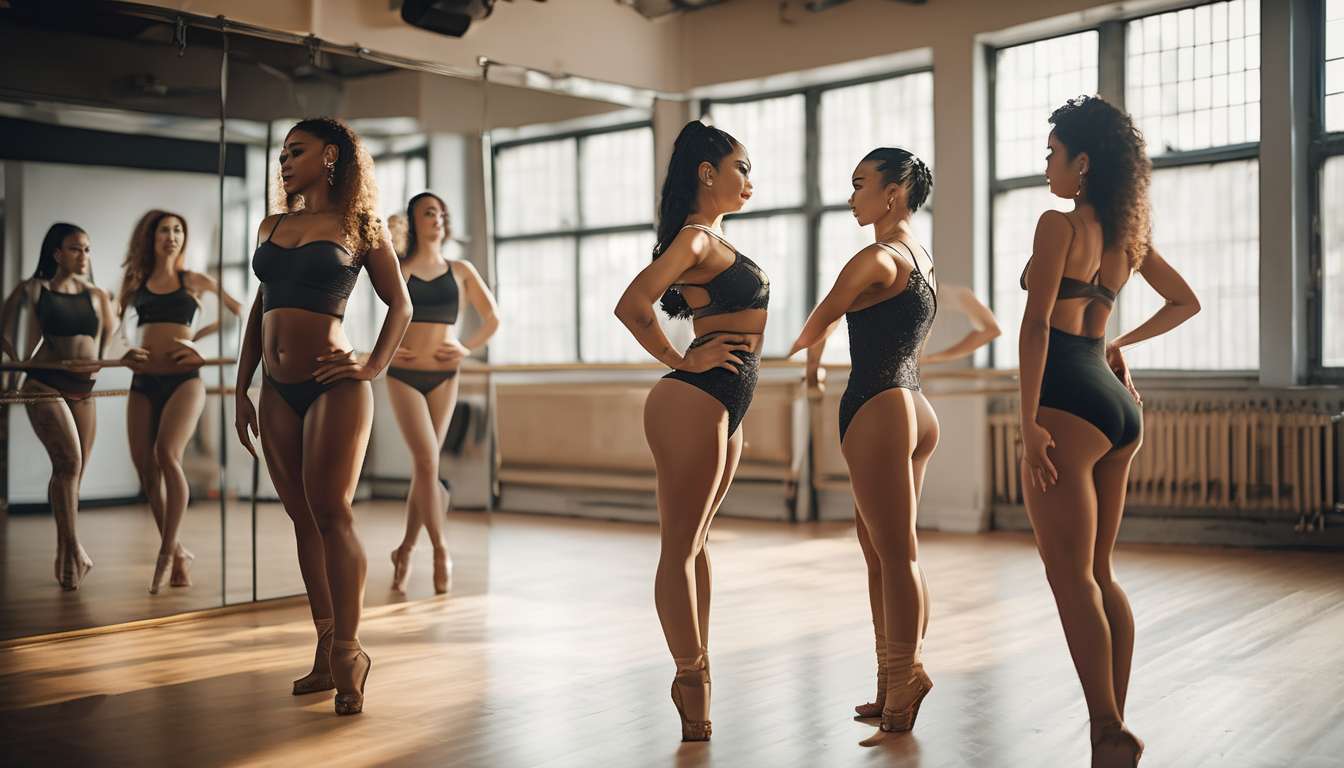
Dancing and credentialing might seem worlds apart, yet they share a common rhythm: both demand discipline, community, and standards.
As members of the exotic dance community, we have watched professional associations emerge that blend artistic expression with rigorous best practices.
We celebrate organizations that provide training in safety, financial literacy, and legal rights, while also advocating for decriminalization and respectful workplace policies.
Together, we are crafting codes of conduct that elevate performance quality and protect dignity.
These associations offer mentorship, certification, and resources that help performers negotiate contracts, manage health risks, and engage with employers and policymakers from a position of expertise.
By formalizing standards without stripping away creativity, we reshape public perception and strengthen bargaining power.
This evolution is not about sanitizing our art; it is about professionalizing the people who make it possible, ensuring sustainable careers and safer spaces for everyone involved.
History of Associations
We trace how dancers and organizers formed the first professional associations to protect labor rights, create standards, and build networks.
We remember small groups of performers meeting in back rooms and community halls, sharing stories of unsafe venues and inconsistent pay.
From those gatherings, exotic dance associations emerged to give us collective voice and shared purpose.
We fought for clearer contracts, transparent booking practices, and mechanisms for dispute resolution so each member felt supported.
Alongside labor goals, we developed early frameworks for performer safety certification to ensure venues met basic safety and privacy expectations, signaling commitment to wellbeing.
Those early efforts turned isolated struggles into coordinated industry advocacy and standards, letting us negotiate with owners, regulators, and the public from a position of unity.
We welcome new members into a lineage that values mutual aid, professionalism, and dignity.
Together we’ve built structures that protect careers and foster belonging, proving that organized action raises respect and reliability across the field.
Training and Certification
We develop and deliver standardized training and certification programs to ensure members learn safe techniques, professional business practices, and venue-compliance expectations.
We create clear curricula that blend practical skills, career development, and ethics so every member feels supported and competent.
As exotic dance associations, we offer performer safety certification that signals commitment to personal wellbeing and professional conduct.
Our courses cover:
- contract negotiation,
- financial literacy,
- marketing, and
- client communication,
reinforcing dignity and autonomy.
We teach documentation and reporting practices that protect performers’ rights while respecting privacy.
Through peer-led workshops and mentorship, we build community and lift newcomers alongside seasoned artists.
We regularly review course content to align with evolving laws and venue policies, reflecting our role in industry advocacy and standards.
Members earn recognized credentials that help advance careers and strengthen bargaining power with promoters and clubs.
By setting transparent expectations and shared competencies, we foster trust, collective identity, and a pathway for continuous growth within the profession.
Safety Protocols
We establish and enforce clear safety protocols that protect performers’ physical health, emotional wellbeing, and legal rights while working.
We design practical guidelines—from stage setup and emergency procedures to respectful interaction policies—that everyone can follow.
Through exotic dance associations we create shared expectations so members feel secure and seen; this community focus builds trust and reduces isolation.
We require performer safety certification as part of onboarding and ongoing education, so performers and managers know de-escalation techniques, first aid, and venue-specific risk assessments.
Key elements of the certification and training program:
-
- De-escalation techniques and boundary management.
-
- Basic first aid and emergency response.
-
- Venue-specific risk assessments and mitigation.
-
- Privacy, consent, and communication protocols.
-
- Reporting procedures and post-incident support.
We run regular drills, maintain incident reporting systems, and review cases collectively to learn and improve.
We advocate for venues to adopt transparent scheduling, fair break policies, and clear communication channels that prioritize consent and privacy.
Our approach balances compassion with accountability:
- We support members who report harms.
- We work with venues to correct unsafe practices and enforce standards.
By centering belonging and professionalism, we lift industry advocacy and standards, making workplaces safer, more inclusive, and more resilient for everyone.
Legal Advocacy
We pursue strategic legal advocacy to defend performers’ rights, challenge unjust policies, and secure clearer regulations that protect workers and venues alike.
We work together as exotic dance associations to build legal strategies that are practical, inclusive, and community-centered.
We bring cases, file amicus briefs, and meet lawmakers to translate lived experience into enforceable protections.
We push for consistent performer safety certification standards so venues and performers share clear expectations and accountability.
Our legal teams collaborate with members to document incidents, draft model ordinances, and negotiate agreements that decrease liability and stigma.
We center mutual support, ensuring everyone feels represented when policies are debated.
We train members on legal rights and de-escalation techniques, reducing risk before disputes escalate.
Our united voice strengthens industry advocacy and standards, making it harder for discriminatory rules to take hold.
By combining grassroots testimony with targeted litigation and policy work, we create a safer, fairer environment where members belong, thrive, and have recourse when their rights are threatened.
Financial Education
We prioritize financial education to give members practical skills in budgeting, taxes, savings, and benefits planning so they can build stability and independence.
We run workshops and provide clear guides tailored to peers who want to grow together.
- Topics include managing variable income, establishing emergency funds, and opening retirement accounts.
- Materials connect financial know-how to wider goals such as safety, mobility, and long-term wellbeing.
We offer partnered sessions with accountants and former performers who know the trade.
- Financial topics are linked to performer safety certification requirements where insurance and documented training affect eligibility and rates.
- We help members navigate tax deductions, business registration, and contract clauses so everyone can negotiate confidently.
We foster a community that shares templates, vetted advisors, and group discounts for financial planning services.
In concert with broader industry advocacy and standards, our programs ensure that economic literacy is part of professional development.
The outcome: members don’t just survive — they plan, protect, and thrive together.
Codes of Conduct
We establish clear codes of conduct that set expectations for professional behavior, consent, and accountability within our community.
- Respectful interactions among performers, staff, and patrons are defined.
- Consent is nonnegotiable — clear signals, verbal confirmation, and immediate respect for boundaries.
Our codes tie directly into exotic dance associations’ efforts to create consistent expectations across venues, helping members feel seen and supported.
We require transparent procedures for reporting violations, impartial review processes, and protections against retaliation so everyone can trust the system.
- Transparent reporting procedures are provided and accessible.
- Impartial review ensures fair handling of complaints.
- Protections against retaliation encourage reporting without fear.
We link compliance to performer safety certification programs and regular training, which reinforces skillful, safe practice rather than punishment.
- Safety certification programs formalize best practices.
- Regular training keeps skills and safety knowledge current.
Through industry advocacy and standards, we push for adoption of these codes by clubs, festivals, and organizers, promoting dignity and professional recognition.
We stay accountable to one another, update guidelines with member input, and celebrate when adherence strengthens our sense of belonging and mutual respect.
Mentorship Programs
We create structured mentorship programs that pair experienced performers with newcomers to share practical skills, safety practices, and career guidance.
We build small cohorts so everyone feels seen and supported, and we set clear goals for:
- technique,
- financial literacy,
- contract negotiation,
- workplace boundaries.
Mentors guide mentees through local policies and link them to resources, including:
- performer safety certification courses,
- trauma-informed care,
- peer-led workshops.
By centering mutual respect, we foster belonging and reduce isolation that can come with gig work.
Our programs operate within and alongside exotic dance associations to ensure consistency with industry advocacy and standards, and we regularly review curricula with advisory panels made up of current performers.
We track outcomes—retention, safety incidents, certification completion—and adjust mentorship pairings to match learning styles and goals.
Ultimately, we want a sustainable pipeline of empowered performers who feel connected to a community advocating for rights, health, and professional growth.
Shifting Public Perception
We will proactively reshape public perception by highlighting performers’ professionalism, labor rights, and community contributions through targeted outreach, media training, and transparent storytelling.
We will present clear examples of how exotic dance associations uplift members:
- Offering performer safety certification.
- Developing codes of conduct.
- Leading industry advocacy and standards that protect livelihoods.
We will center the voices of dancers who seek respect and belonging, sharing practical outcomes—safer workplaces, fair contracts, and peer-led education—so audiences see concrete change, not rhetoric.
We will engage local media, allies, and policymakers with concise materials that explain our goals and methods, and we will train spokespeople to convey dignity and expertise.
We will invite community partners to joint events and panels, demonstrating collaborative impact.
We will measure shifts in public attitudes through surveys and feedback, then adapt messaging to strengthen trust.
By combining accountability, evidence, and open dialogue, we will build wider recognition that our work advances labor rights, professional development, and community wellbeing.
How do associations handle members who work in jurisdictions where exotic dancing is still criminalized or operated underground?
We support members where exotic dancing is criminalized or underground by prioritizing safety, confidentiality, and solidarity.
Safety and confidentiality
- We offer discreet resources designed to minimize risk of exposure.
- We provide anonymous reporting channels so members can seek help without revealing their identities.
- We maintain strict confidentiality protocols for any communications and records.
Remote and low-risk services
- We provide remote training (online workshops, recorded modules) that members can access privately.
- We connect members to legal referrals that understand local risks and can advise on safety-first strategies.
- We offer emergency funding or rapid financial supports that can be distributed discreetly when needed.
Community and mutual aid
- We create peer networks for mutual support while protecting participants’ anonymity when necessary.
- We center dignity and mutual aid, ensuring no one feels isolated or abandoned.
Advocacy balanced with individual risk
- We advocate for decriminalization and safer policy environments.
- We respect members’ individual risk choices, avoiding actions that would expose or endanger people who are not ready or able to be public.
What specific benefits (e.g., insurance, retirement plans) are available only to association members and how affordable are they?
What member-only benefits exist and how affordable are they?
Benefits offered:
- Negotiated group health insurance
- Short-term disability
- Liability and event insurance
- Access to simplified retirement plans
- Emergency relief funds
- Some groups also offer legal defense and mental health stipends
Affordability and cost management:
- Sliding-scale or subsidized costs: We keep premiums and fees attainable by using sliding-scale pricing or subsidizing costs through dues and grants.
- Assistance to lower out-of-pocket expenses: We help members compare plans and apply for subsidies to reduce personal costs.
How do associations address the needs and inclusion of non-binary, transgender, and gender-nonconforming performers?
We prioritize asking how associations address non-binary, transgender, and gender-nonconforming performers, and we center inclusion in every decision.
We create policies that use correct pronouns, offer gender-affirming healthcare resources, and ensure audition and staffing practices are fair.
We provide targeted mentorship, safe reporting systems, and accessible facilities.
We’re committed to continuous education, member-led advisory groups, and funding initiatives that remove barriers so everyone feels welcome and valued.
Conclusion
You’ve seen how professional associations have transformed exotic dancing.
They create and provide:
- Training
- Safety protocols
- Legal advocacy
- Financial education
- Mentorship
These efforts achieve three key outcomes:
- Lift standards — raising professional expectations and practices.
- Protect performers — improving safety, rights, and working conditions.
- Legitimize the work — challenging stigma and shifting public perception toward respect and professionalism.
By investing in certification and community, these organizations offer:
- Real resources for dancers
- Clear rights and legal support
- Pathways for upward mobility
As these organizations grow, the industry becomes safer and more empowered.