
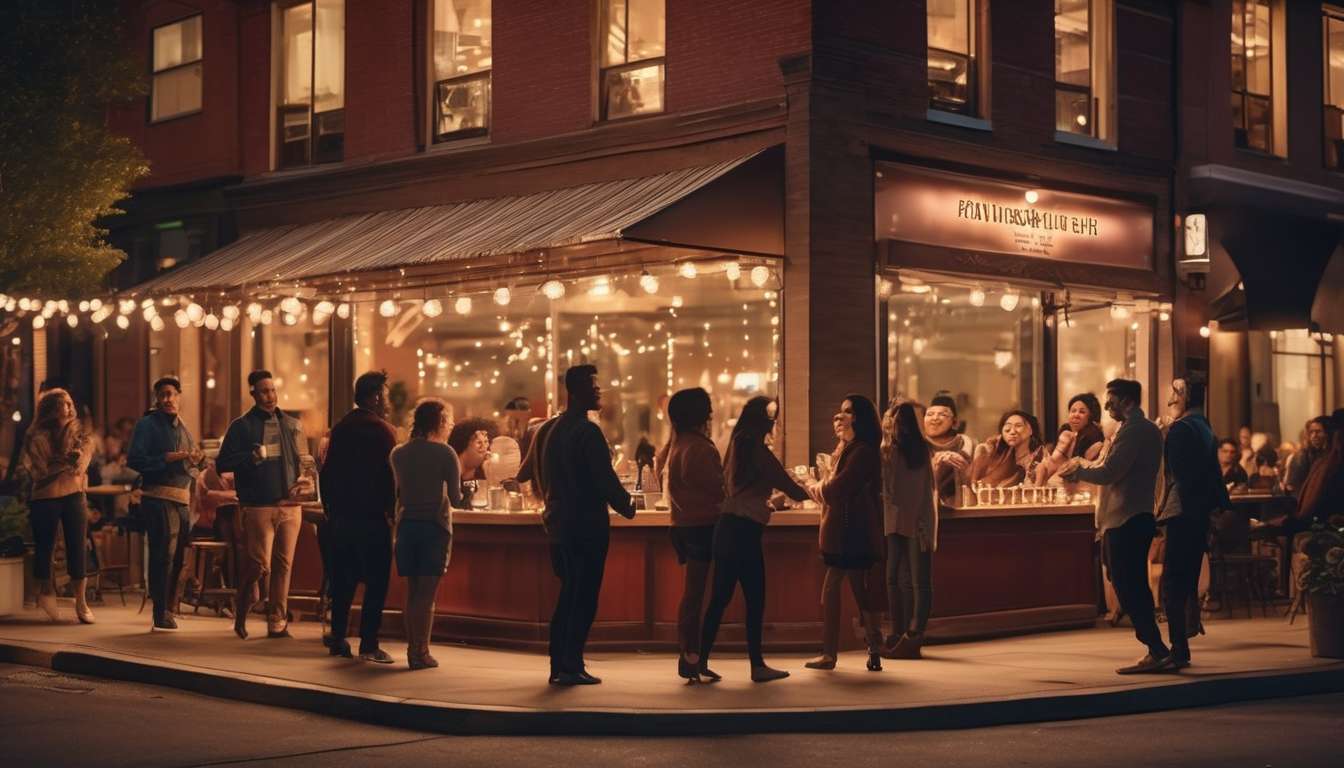
My first night managing a small downtown venue taught us more about neighbors than any business course ever could.
We arrived to a flurry of complaints about noise and safety, then stayed to listen as residents described late-night litter and worries for their children walking past our entrance.
Rather than digging in defensively, we took three immediate actions:
- We invited a neighborhood leader for coffee.
- We adjusted our staffing patterns.
- We agreed to fund improved lighting on the block.
Over months, outcomes improved.
Tension eased; patrons felt safer, residents felt respected, and our revenues stabilized.
The key lesson: exotic dancing operators cannot thrive in isolation—community relations are central, not peripheral, to sustainable operations.
This article maps what we did and offers a blueprint:
- Practical steps we took.
- Unexpected benefits we discovered.
- How proactive engagement transformed adversaries into allies.
Intended audience: operators seeking to balance entertainment, responsibility, and mutual respect within the neighborhoods they inhabit.
First Night Lessons
First-night overview:
We’ll review safety protocols, customer interaction guidelines, and house rules so dancers and staff start on the same page. This sets the tone for a consistent, professional environment from night one.
Welcoming routine and mutual respect:
We’ll create a welcoming routine that emphasizes venue safety and mutual respect, so everyone feels seen and protected. This routine balances warmth with clear boundaries to protect both performers and staff.
Community engagement and visibility:
We encourage community engagement by explaining how our policies support local partnerships and positive visibility. We’ll invite questions so new team members understand their role in the neighborhood and how their behavior affects the venue’s reputation.
Transparent communication and incident reporting:
We’ll model transparent communication with clear reporting steps, designated staff contacts, and straightforward expectations about boundaries and consent. This ensures incidents are handled consistently and safely.
Night-one drills (practical practice):
- Emergency exits — walk-through and locations.
- ID checks — procedure and verification standards.
- De-escalation phrases — practiced together so responses feel natural.
Greeting patrons and maintaining professionalism:
We’ll discuss how to greet patrons kindly while maintaining professional distance, reinforcing that belonging here comes with responsibility to each other and to the community we serve.
Session outcome:
By the end of the session, everyone will understand both the practical rules and the shared values that keep our venue safe and respected.
Building Local Trust
Build trust by proactively listening and following local regulations.
- We will listen to concerns from neighbors and local businesses and comply with applicable local rules to show we are a responsible, respectful presence.
- We will visibly demonstrate commitment to being part of the neighborhood fabric.
Invite and enable regular community feedback.
- Host community engagement events, open houses, and surveys so residents and merchants can speak directly with our team.
- Share clear policies and, where appropriate, incident reports to practice transparent communication that reduces rumors and builds confidence.
Prioritize venue safety and report verifiable improvements.
- Maintain well-lit entrances, trained door staff, and accessible emergency plans.
- Report on safety improvements in ways the community can verify.
Partner with local organizations to show investment in shared wellbeing.
- Collaborate on cleanups, charity nights, and safety workshops so community members see our tangible involvement.
Respond promptly and accept accountability when issues arise.
- Respond quickly to incidents.
- Accept responsibility where appropriate.
- Outline and implement corrective steps.
Maintain consistency between actions and words to foster mutual respect and belonging.
- Consistent behavior builds trust and benefits patrons, neighbors, and the business alike.
Strategic Staffing Changes
Strategic staffing and scheduling to improve safety, service, and community relations.
We’ll adjust staffing roles and schedules strategically to improve safety, service quality, and community relations while keeping costs sustainable.
Cross-training and role flexibility.
We’ll cross-train team members so everyone can step into supervisory, welcoming, or safety-support roles as needed, creating a dependable crew that reflects our commitment to community engagement.
Predictable shifts to reduce turnover and strengthen relationships.
We’ll set predictable shifts that respect personal lives and reduce turnover, which strengthens relationships with neighbors and regulars.
Hiring priorities and concise training.
- We’ll prioritize hires who value inclusive service and de-escalation.
- We’ll provide concise training modules on conflict resolution and transparent communication so staff can respond confidently to concerns.
Named community liaisons and proactive outreach.
- We’ll create named liaisons who maintain regular contact with local groups, report feedback, and coordinate community-facing events.
Monitoring, schedule review, and budget alignment.
- We’ll monitor staffing ratios during peak hours to maintain welcoming service without compromising venue safety.
- We’ll review schedules monthly to adapt to patterns and budget realities.
Staff involvement and feedback loops.
We’ll involve staff in staffing decisions and feedback loops to build a shared sense of ownership that sustains trust and belonging in our venue and neighborhood.
Neighborhood Safety Initiatives
Community collaboration for safety
We’ll work with neighbors, law enforcement, and local services to implement targeted safety measures that reduce incidents and enhance public comfort around our venue.
Planned actions include:
- Creating joint patrol schedules with neighbors and law enforcement.
- Improving lighting in adjacent walkways and entrances.
- Coordinating rapid-response plans so everyone feels protected and seen.
Community engagement and co-creation
Through regular forums and safety workshops, we’ll invite residents to share concerns and co-develop practical solutions that fit our neighborhood’s rhythm.
Engagement activities:
- Hosting quarterly community meetings and ad-hoc workshops.
- Soliciting resident feedback and incorporating it into safety plans.
- Publishing updates on implemented measures and outcomes.
Staff training and facility design
We recognize belonging grows when people trust their surroundings, so we’ll train staff in de-escalation and bystander assistance, maintain clear sightlines at entrances, and ensure safe transportation options for patrons and neighbors.
Specific commitments:
- Provide de-escalation and bystander-assistance training to all frontline staff.
- Audit and improve sightlines, signage, and entry/exit paths.
- Coordinate with transit and rideshare services to promote safe arrival/departure options.
Accountability and measurable outcomes
Our approach centers on measurable improvements and cooperative problem-solving with nearby businesses and service providers.
Metrics and responsibilities:
- Track incident reports and response times to evaluate effectiveness.
- Share periodic safety reports with community stakeholders.
- Adjust plans based on data and resident input.
Shared responsibility and realistic expectations
By committing to consistent actions and shared responsibility, we’ll strengthen local ties, reduce disturbances, and foster a welcoming environment where neighbors and our team feel respected and secure.
A clear promise:
- We won’t promise perfection, but we will deliver accountable, community-driven steps that make a real difference.
Transparent Communication Channels
We will keep open, easy-to-use channels so neighbors, patrons, and partners can quickly raise concerns, get updates, or offer suggestions.
We set up multiple touchpoints to make engagement inclusive and convenient:
- A monitored community email
- A simple online form
- A staffed phone line
- Regular in-person drop-ins
We answer promptly, share clear timelines, and follow through, because transparent communication builds trust and belonging.
We use these channels to provide timely notices about events, changes that affect venue safety, and opportunities for community engagement.
We publish concise FAQs and meeting summaries so people don’t have to repeat themselves.
We invite feedback on policies and respect confidentiality when needed, while also being clear about what we can and can’t change.
We track issues and report back on resolutions, showing accountability without overpromising.
By keeping communication consistent, respectful, and accessible, we reinforce our role as neighbors and partners committed to a safer, more connected neighborhood.
Collaborative Problem Solving
We work with neighbors, local agencies, and other businesses to identify problems, brainstorm solutions, and share responsibilities for improvements.
We don’t just listen — we act. Through consistent community engagement, we convene regular meetings where everyone’s voice matters, and we co-create realistic action plans that balance business needs and neighborhood concerns.
We prioritize venue safety by adopting joint strategies:
- Coordinated lighting
- Staff training
- Safe transportation options
- Clear reporting pathways for incidents
We commit to transparent communication about goals, timelines, and accountability. This builds trust and keeps expectations aligned.
When setbacks happen, we review them together, adjust plans, and celebrate small wins. These practices reinforce shared ownership.
We formalize partnerships with local agencies to access resources and expertise without taking over community roles.
By sharing labor, costs, and credit, we build durable solutions that reflect our neighbors’ priorities as much as our own.
This collaborative approach strengthens belonging and keeps the venue integrated, respectful, and resilient in the community.
Measuring Community Impact
We’ll track specific indicators—like incident reports, neighbor satisfaction scores, and local economic contributions—to measure how our operations affect the neighborhood.
Data collection and reporting
- We’ll collect data monthly and share summaries at community meetings to ensure transparent communication and build trust.
- We’ll publish progress so everyone knows where we stand.
Neighbor feedback
- We’ll invite neighbors to rate venue safety and atmosphere so we can respond to concerns quickly and fairly.
- We’ll use surveys, incident audits, and informal check-ins to capture both numbers and stories that matter to our neighbors.
Community engagement and economic measures
- We’ll log partnerships with local businesses and charities as tangible markers of community engagement.
- We’ll measure foot traffic and spending patterns that show our economic role.
Benchmarks and action
- We’ll set clear benchmarks for reductions in complaints and increases in positive feedback.
- We’ll analyze trends, act on findings, and adjust operations to improve venue safety and neighborhood quality of life.
CommitmentWe’re committed to measurable, honest steps that make neighbors feel heard, respected, and included.
Long-Term Relationship Maintenance
We’ll maintain long-term relationships by scheduling regular check-ins, responding promptly to concerns, and partnering on projects that benefit both the venue and our neighbors.
We prioritize consistent community engagement that builds trust and a sense of belonging.
- Host listening sessions.
- Invite feedback.
- Act on realistic requests.
We keep venue safety front and center, sharing safety plans and coordinating with local services so everyone feels secure.
We practice transparent communication about changes to hours, events, or policies, and we publish straightforward updates so neighbors never feel blindsided.
We establish clear points of contact and timelines for resolving issues, which shows respect and reliability.
We celebrate shared wins—cleanups, charity nights, safety trainings—to reinforce mutual investment.
When conflicts arise, we address them quickly and honestly, seeking solutions that uphold dignity for staff and neighbors alike.
By embedding these routines into daily operations, we create steady, reciprocal relationships that sustain our venue and strengthen community ties.
How do zoning laws and local licensing requirements specifically affect where and how exotic dancing businesses can operate?
Zoning and location restrictions determine where exotic dancing businesses may operate.
Local laws commonly require that adult-entertainment venues be set back from sensitive uses such as schools, churches, and residences, and they may impose minimum distances between similar businesses to control density.
Operating rules set permitted hours and activity limits.
Local ordinances often limit hours of operation, regulate what types of performances are allowed, and restrict on-site activities (for example, prohibiting private rooms or touching).
Signage and advertising are frequently regulated.
Municipal rules can limit sign size, content, illumination, and placement to reduce visibility to minors and preserve neighborhood character.
Licensing, permits, and compliance checks are required.
You’ll typically need one or more permits or licenses to operate; these often involve background checks for owners and managers, criminal-history screenings, and periodic inspections to ensure compliance with safety and health codes.
Alcohol, occupancy, and building-code rules must be followed.
If you plan to serve alcohol you’ll need the appropriate liquor license and must comply with state and local alcohol laws; fire, building, and occupancy limits also apply and are enforced through inspections.
Community engagement and local approvals help reduce conflicts and legal risk.
Proactively meeting with neighbors, neighborhood associations, and local officials can aid in securing approvals, addressing concerns, and demonstrating commitment to safety and responsible operation.
What insurance policies (liability, property, workers’ comp) should exotic dancing operators carry to protect against common industry risks?
Carry comprehensive general liability insurance to cover customer injuries and lawsuits.
Obtain property insurance to protect against damage or theft of the venue and fixtures.
Purchase workers’ compensation for performers and staff to cover work-related injuries and illnesses.
Add liquor liability if you serve alcohol to cover alcohol-related incidents.
Include assault and battery coverage for performer-related incidents that standard liability policies may exclude.
Add inland marine (equipment floater) insurance for movable and transportable equipment.
Shop specialty insurers experienced with adult entertainment to find carriers familiar with industry exposures.
Keep clear policies and appropriate limits so coverage matches your actual risks and operations.
Review coverage annually to adjust limits, add or remove endorsements, and ensure ongoing protection for your people and business.
How should operators handle incidents involving illegal activity (drug use, human trafficking, underage patrons) while balancing patron safety, employee protection, and legal obligations?
Goal: Handle illegal activity while keeping patrons and staff safe and meeting legal duties.
Train staff on recognizing signs of drugs, trafficking, or minors:
- Teach indicators (behavioral, physical, transactional signs).
- Provide scenario-based practice and regular refreshers.
- Clarify limits of staff action — what they may and may not do.
Reporting and evidence preservation
- Report to authorities promptly when required or appropriate.
- Preserve evidence (secure area, limit handling, record-chain of custody).
- Document incidents in writing immediately after events.
Policies and anonymous reporting
- Adopt clear, written policies on illegal activity, reporting procedures, and consequences.
- Provide anonymous reporting channels for staff and patrons.
- Ensure policies align with local laws and organizational values.
Coordination with law enforcement and legal counsel
- Establish lines of communication with local law enforcement.
- Consult legal counsel to confirm obligations and liabilities.
- Develop protocols for when to involve authorities and how to accompany investigations.
Safety-first response and de-escalation
- Prioritize nonconfrontational de-escalation techniques to avoid escalation.
- Suspend or remove suspected patrons only when necessary and in a manner that protects safety and due process.
- Avoid on-site investigations that could endanger staff; defer to trained officers for risky interventions.
Support for employees
- Provide support to employees affected by incidents (medical, counseling, time off).
- Protect staff from retaliation when they report or cooperate with investigations.
Incident follow-up
- Review incidents to improve training and policies.
- Record outcomes and update risk assessments.
- Discipline consistently according to policy where appropriate.
Key priorities
- Safety of patrons and staff.
- Compliance with legal duties.
- Clear policies, training, and coordination.
- Respectful, evidence-preserving interactions with law enforcement.
Conclusion
You’ve learned that earning neighborhood trust pays off: prioritize safety, hire thoughtfully, and keep communication open.
When you collaborate with residents and respond transparently to concerns, you reduce friction and build goodwill that lasts.
Measure your impact, adapt based on feedback, and invest in long-term relationships—not just one-off gestures.
By making community relations a core part of operations, you protect your business’s reputation, create safer spaces, and ensure sustainable success.