
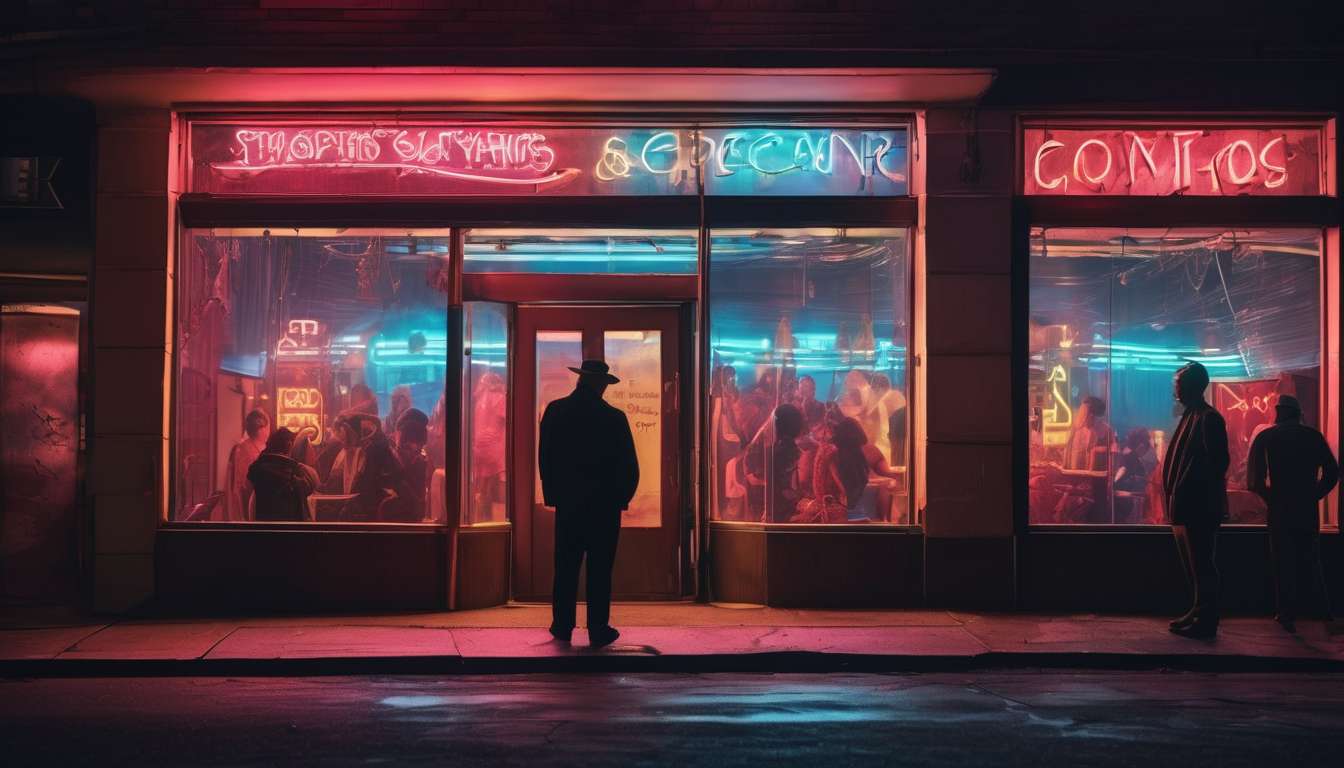
Kaleidoscopes of neon and music have long painted our entertainment districts as places of freedom, commerce, and spectacle, yet the images we cherish are now colliding with fresh demands for safety, equity, and regulation.
"Nightlife is a mirror," one organizer told us, "and right now that mirror is cracking"—a line that captures why we are reexamining the rules that govern exotic dancing venues.
As stakeholders who work, patronize, regulate, and study these spaces, we find ourselves asking how to balance:
- performers’ autonomy and livelihoods,
- patrons’ safety, and
- community concerns.
Our neighborhoods depend on vibrant nighttime economies, but those economies must evolve when evidence and lived experience reveal harm or inequality.
This article traces how diverse cities are revising policies, highlights voices often excluded from debate, and considers practical reforms that respect:
- labor rights,
- public safety, and
- cultural expression.
We invite readers to join us in a thoughtful reassessment of what nightlife should be.
Nightlife Policy Shifts
We’re tightening rules and rethinking how exotic-dancing venues fit into broader nightlife planning.
Goal: Balance community values with vibrant, safe gathering places.
Key policy directions:
- Consistent zoning and licensing procedures to give operators reliable expectations.
- Predictable operating hours so businesses can plan and neighbors know when activity occurs.
- Straightforward compliance steps that reduce uncertainty and make planning feasible.
Priority: clarity and reduced conflict.
- Clear rules help venue operators and neighbors know what to expect.
- Predictability fosters mutual respect and fewer disputes.
Align zoning and licensing with entertainment-district goals.
- Support a diverse night economy that integrates exotic-dancing venues into shared public life.
- Treat these venues as part of a broader ecosystem of nightlife uses.
Embed performer safety into operational requirements without creating barriers.
- Required measures might include adequate lighting, coordinated security, and emergency protocols.
- Design requirements should protect performers while keeping compliance attainable for legitimate businesses.
Overarching outcomes we seek:
- Promote inclusivity and steady livelihoods for workers.
- Create well-managed nightlife spaces where residents, workers, and patrons feel they belong.
- Reduce regulatory ambiguity so businesses can plan and neighborhoods can coexist peacefully.
Performer Rights and Safety
We’ll prioritize policies that protect performers’ rights, personal safety, and economic security while keeping compliance feasible for legitimate operators.
We’ll involve performers in rule-making and create clear procedures that ensure their voices are heard:
- Grievance procedures that are transparent and easy to access.
- Anti-retaliation protections to safeguard those who raise concerns.
- Access to independent legal and health resources for advice and support.
We’ll push for consistent exotic dancing regulation that centers performer safety with standardized systems and trained staff:
- Standardized incident reporting to track and address problems reliably.
- Trained security and trauma-informed staff to reduce harm and improve responses.
- Voluntary safety equipment access so performers can choose protections that work for them.
We’ll insist venues adopt written codes that prevent exploitation and ensure fair pay:
- Prohibit exploitative contracts and clarify acceptable employment/contractor relationships.
- Timely, transparent pay practices so compensation is predictable and fair.
We’ll promote accessible training and health partnerships to support everyday safety and well-being:
- De-escalation and consent training for staff and performers.
- Partnerships with local clinics for occupational health services and referrals.
We’ll back confidential channels for reporting abuse and coordinate community support:
- Confidential reporting mechanisms to protect reporters’ identities.
- Coordination with community organizations to offer emergency financial aid, counseling, and wraparound services.
We’ll balance accountability with support, ensuring enforcement targets bad actors without penalizing performers:
- Inclusive, enforceable standards designed to build trust and improve working conditions.
- Goal: foster a safer, more dignified entertainment community where performers feel respected and secure.
Licensing and Zoning Changes
We’ll review licensing and zoning changes to make sure rules are clear, enforceable, and aligned with protecting performers’ rights while allowing legitimate businesses to operate.
We’re committed to crafting zoning and licensing policies that balance neighborhood needs with venue viability.
By updating exotic dancing regulation, we can require:
- transparent permit processes,
- regular safety audits,
- consistent standards for access, lighting, and emergency exits.
We want performers to feel respected and safe, so licensing should include:
- training on de-escalation,
- reporting mechanisms,
- mandatory health and safety protocols that reinforce performer safety without stigmatizing the work.
We also recognize the importance of fair renewal timelines, predictable fees, and community-informed boundary maps so small operators aren’t driven out unexpectedly.
Where restrictions are necessary, we’ll favor targeted measures tied to concrete risks rather than broad bans.
Our approach seeks inclusion: operators, performers, residents, and local officials collaborating on zoning and licensing that supports dignified work, reduces harm, and sustains thriving entertainment districts.
Community Impact Assessments
Goal: Assess how venues affect neighborhoods by collecting data on safety, noise, traffic, economic activity, and residents’ concerns.
Who we include: We gather quantitative and qualitative evidence so everyone’s voice matters — neighbors, business owners, performers, and staff.
Framing and objectives:
- 1. Measure safety outcomes: public safety and performer safety.
- 2. Map economic effects: benefits and burdens to local economies.
- 3. Identify hotspots: areas where zoning and licensing concentrate impacts.
Methods: We use surveys, incident reports, foot-traffic counts, and public meetings to build a shared picture.
Transparency: We prioritize clear methodology so stakeholders trust findings and feel included in decisions about exotic dancing regulation.
Policy focus: We highlight where zoning and licensing adjustments could reduce negative spillovers while preserving livelihoods and local culture.
Recommendations: We recommend mitigation strategies that reflect community values, such as:
- Improved lighting
- Sound buffers
- Transit options
- Designated loading zones
Balance: Always weigh neighborhood well-being against performer safety and economic resilience.
Engagement: We present findings accessibly and invite ongoing dialogue to refine policies together.
Enforcement and Compliance
We’ll ensure enforcement and compliance are consistent, transparent, and focused on practical outcomes that protect performers, patrons, and neighborhoods.
We’ll build collaborative inspection routines that treat club staff and dancers as partners, not adversaries, so exotic dancing regulation feels fair and grounded.
We’ll publish clear checklists and timelines for remediation, so everyone knows expectations and can take responsibility together.
We’ll train inspectors on performer safety and on trauma-informed engagement, reducing adversarial encounters and improving cooperation.
We’ll coordinate zoning and licensing reviews with community stakeholders to prevent surprises and to align hours, occupancy, and proximity rules with local needs.
We’ll create a confidential feedback channel for performers to report violations without fear of retaliation, and we’ll monitor complaint trends to target outreach rather than only issuing fines.
We’ll measure compliance outcomes, share results publicly, and adjust enforcement tactics when data show unintended harms.
We’ll act consistently, respect dignity, and keep the district welcoming for workers, visitors, and residents.
Economic and Cultural Tradeoffs
Weigh economic benefits against cultural and neighborhood impacts.
We’ll weigh the economic benefits clubs bring—jobs, tourism, and nightlife tax revenue—against cultural and neighborhood impacts so policy balances prosperity with community values.
We recognize regulation affects livelihoods.
We recognize that exotic dancing regulation affects livelihoods; steady shifts in zoning and licensing can create or remove accessible work for performers and staff. We want rules that sustain local economies without eroding the character of residential streets or excluding long-time residents.
Center performer safety while acknowledging business viability.
We’re committed to centering performer safety while acknowledging business viability. Clear, consistent standards for lighting, security, and licensing fees help venues plan and protect staff, reducing turnover and costly disputes. At the same time, thoughtful zoning and licensing can prevent clustering that strains infrastructure or displaces other small businesses.
Favor pragmatic, broadly shared approaches.
We’ll favor pragmatic approaches that share benefits broadly:
- Modest fees tied to compliance
- Targeted investments in safe transit and waste management
- Sunset reviews to assess cultural impacts
By balancing economic returns with community rhythms, we’ll keep our districts vibrant, inclusive, and secure.
Inclusive Stakeholder Engagement
We’ll convene regular forums that bring together club workers, residents, business owners, law enforcement, and health advocates so all voices shape policy decisions.
We’ll listen first, then co-create priorities that reflect community values and the real needs of people who work in venues.
We aim for transparent processes that increase trust, so exotic dancing regulation isn’t imposed on communities but emerges from shared insight.
We’ll center performer safety and wellbeing alongside neighborhood concerns, ensuring conversations respect dignity and lived experience.
We’ll invite interpreters, offer stipends, and schedule meetings at accessible times so participation feels possible for everyone.
We’ll document outcomes, publish clear summaries, and set timelines for follow-up so people see progress and accountability.
We’ll use neutral facilitators to navigate tensions and focus on practical, evidence-informed options.
We’ll treat zoning and licensing as tools to balance safety, economic opportunity, and neighborhood character, and we’ll commit to revisiting decisions as conditions change, keeping community relationships strong and inclusive.
Practical Reform Pathways
We’ll prioritize targeted, evidence-based reforms that reduce harm, preserve livelihoods, and make compliance straightforward for venues and workers.
We’ll create clear, minimum standards for exotic dancing regulation rooted in data and practitioner input, centering performer safety while respecting artistic expression.
We’ll pilot harm-reduction measures in selected districts to test what actually improves outcomes:
- Private complaint pathways
- On-site safety personnel
- Standardized training
We’ll streamline zoning and licensing by simplifying application steps, reducing arbitrary fees, and setting transparent criteria so small operators and performers aren’t excluded.
We’ll form joint review boards to monitor impacts, adapt rules quickly, and share best practices across districts. These boards will include:
- Dancers
- Managers
- Neighbors
- Regulators
We’ll fund technical assistance and small grants to help venues meet new requirements without layoffs.
We’ll measure outcomes, solicit continuous feedback, and scale only what works, building reforms that keep communities safe, sustain livelihoods, and make everyone feel they belong in the conversation.
How will changes to exotic dancing venue rules affect taxes paid by clubs and performers?
We’re asking how new rules will change taxes for clubs and performers.
Potential shifts to expect:
- Stricter licensing or reclassification can increase club business taxes and payroll obligations.
- Performers may face more withholding, self-employment taxes, or filing burdens if treated as contractors.
- Potential changes to deductions and rising compliance costs.
Consequences and needs:
- Higher obligations and uncertainty.
- A need for clearer guidance and shared resources to navigate changes.
- Actions to avoid surprises:
- Seek up-to-date guidance from tax authorities.
- Coordinate with accountants or legal advisors.
- Develop shared resources and training for affected parties.
Will clubs be able to offer other types of entertainment (comedy, drag shows, live bands) without triggering new restrictions?
We’re asking whether clubs can add comedy, drag shows, or live bands without triggering new restrictions.
Short answer: Generally, clubs can offer varied entertainment like comedy, drag shows, and live bands without triggering new restrictions if the local rules and any permit language focus specifically on exotic dancing or similar narrowly defined activities.
Key steps to confirm and proceed:
-
Check permit language and local ordinances.
- Review your current licenses and any local zoning or adult-entertainment ordinances to see how “adult entertainment,” “exotic dancing,” or similar terms are defined.
- Confirm whether the definitions are activity-specific (e.g., only exotic dancing) or broader (e.g., any sexually oriented performance), which may affect comedy, drag, and live music.
-
Confirm proximity, noise, and age restrictions.
- Verify rules about distance from schools, churches, or residential zones.
- Check local noise ordinances and time-of-night limitations that could affect live bands or amplified performances.
- Confirm age restrictions (18+, 21+, etc.) tied to certain permits.
-
Work with regulators and peers.
- Engage with local licensing authorities and municipal staff to get written guidance or formal interpretations.
- Consult industry peers or trade associations who’ve navigated similar questions in your jurisdiction.
-
Pursue appropriate licenses or clarifications if needed.
- Apply for any additional permits or amend existing ones if the activity falls outside current authorization.
- Seek written determinations from regulators to reduce ambiguity and risk.
-
Adapt programming to stay compliant, vibrant, and inclusive.
- If certain rules restrict specific performances, modify staging, costumes, or presentation to fit allowed categories while preserving artistic intent.
- Consider scheduling, sound control, and age-segregated events to respect local limits while maintaining diverse offerings.
Bottom line: You can usually add comedy, drag shows, and live bands without triggering new restrictions, but always verify local ordinance and permit language, confirm proximity/noise/age rules, and coordinate with regulators to ensure compliance and protect your venue’s programming freedom.
Are there plans to provide financial assistance or grants to venues that must renovate to meet updated safety or licensing requirements?
Question: Will there be financial assistance or grants for venues needing renovations to meet updated safety or licensing requirements?
Short answer: Officials have proposed several support options, and efforts are underway to help small venues adapt.
Details
Proposed financial support
- Grant programs have been floated to cover renovation costs.
- Low-interest loans are being considered to spread expenses over time.
- Tax credits might be offered to offset compliance-related spending.
Encouraged actions for venues
- Apply collaboratively: Local business coalitions are encouraged to apply together to increase eligibility and negotiating power.
- Share resources: Pooling expertise, contractors, and administrative support can lower costs and speed projects.
Commitment and next steps
- Advocacy: We’re committed to advocating for equitable funding distribution.
- Support: We’ll keep venues informed about available programs and assist clubs in accessing them.
- Goal: Preserve community spaces and protect livelihoods by helping venues meet new standards.
Conclusion
You’re at the center of a changing conversation about nightlife: balancing safety, performers’ rights, and local needs.
As districts revise licensing, zoning, and enforcement, you’ll see reforms that aim to protect workers, respect businesses, and respond to community concerns without erasing culture.
Get involved—voice preferences, demand clear rules, and support harm-reduction practices.
Practical, inclusive policymaking will help you preserve vibrant, accountable entertainment districts that serve residents, workers, and visitors alike.