
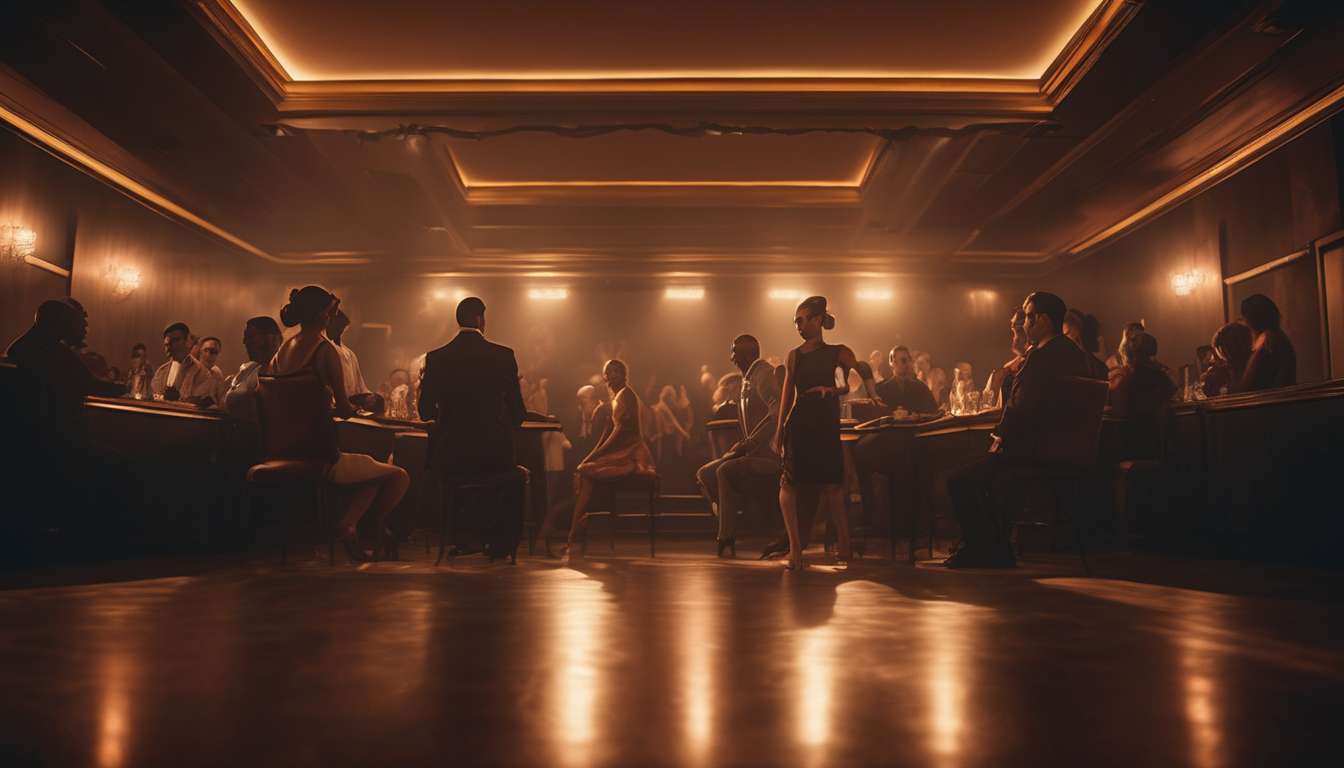
Many believe that the lively atmosphere of exotic dance venues naturally guarantees respect and safety—that patrons instinctively know where to draw the line.
We know otherwise. Drawing on interviews, policy reviews, and observational studies, we contend that relying on unspoken social norms leaves performers and staff vulnerable to harassment, exploitation, and unpredictable incidents.
By unpacking the myth that courtesy will prevail without explicit guidance, we show how clear, enforced customer conduct policies reduce assaults, minimize misunderstandings, and foster a more sustainable business model.
We will explore practical policy elements that translate into measurable improvements in workplace well-being and customer experience:
- 1. Consent definitions. Clarify what constitutes consent in the venue context and how it can be communicated and withdrawn.
- 2. Prohibited behaviors. List specific actions (e.g., touching without permission, aggressive bargaining, intoxication-related harassment) that are not tolerated.
- 3. Reporting protocols. Establish accessible, confidential ways for staff and performers to report incidents and receive support.
- 4. Staff training. Implement regular training on de-escalation, boundaries, documentation, and bystander intervention.
Our aim is not to police pleasure but to transform these spaces into environments where dignity and safety are prioritized, benefiting performers, patrons, and management alike.
Throughout, we center voices of those with lived experience to ground recommendations in real-world needs and outcomes.
Defining Consent Clearly
We’ll state exactly what behaviors are and aren’t allowed and make clear that dancers must explicitly agree to any interaction beyond stage performance.
We’ll define consent policies in plain terms so everyone feels safe and included, emphasizing that consent must be enthusiastic, ongoing, and revocable at any time.
We’ll outline expected patron conduct with clear examples of permitted interactions and boundaries, so newcomers and regulars alike know how to participate respectfully.
We’ll make consent signage visible, provide brief verbal scripts for staff, and ensure dancers can signal discomfort without fear of reprisal.
We’ll include consent language in onboarding and continuous staff training, so every team member reinforces the same standards and responds consistently to violations.
We’ll encourage community responsibility: if patrons or staff notice boundary breaches, we’ll ask they report them promptly.
By articulating consent policies, patron conduct expectations, and robust staff training, we’ll cultivate a culture where belonging and safety go hand in hand.
Prohibited Patron Behaviors
Prohibited behaviors (will result in removal or ban):
- Touching performers without explicit permission.
- Pressuring performers or staff for private contact.
- Recording or photographing performers or patrons without consent.
- Harassment, insults, or sexual coercion.
- Physical aggression, stalking, or attempts to bribe or coerce staff or performers.
- Possession or use of weapons and distribution of illegal drugs.
- Overtly discriminatory or hate speech.
Consent expectations:
- No touching without explicit permission.
- Do not pressure anyone for private contact or favors.
- Obtain clear consent before recording, photographing, or sharing images or videos.
Patron conduct standards:
- Use respectful language and respect personal boundaries.
- Harassment, insults, and any form of sexual coercion are banned.
- Treat performers, staff, and other guests with dignity.
Enforcement and consequences:
- Warnings for minor or first-time infractions when appropriate.
- Immediate removal for serious violations (e.g., non‑consensual touching, threats, weapons).
- Temporary bans for repeated or substantial offenses.
- Permanent bans for severe or violent conduct or ongoing refusal to comply.
Staff training and incident handling:
- Consistent, transparent application of rules to foster belonging and trust.
- Training to recognize violations, intervene safely, and preserve dignity.
- Documentation of incidents to guide fair enforcement and future prevention.
Principle and commitment:
- These prohibitions and procedures reflect our commitment to consent, safety, and equitable treatment, ensuring the venue is welcoming for performers, staff, and guests alike.
Reporting and Response Systems
Reporting channels and visibility
We’ll provide clear, accessible channels for patrons and staff to report incidents, and make reporting options visible at entrances, on menus, and online.
Key features:
- Multiple reporting paths — in-person, phone, web form, and staff-assisted.
- Anonymous and confidential options — to ensure everyone feels safe coming forward.
- Accessible signage — visible placement so patrons know how to report immediately.
Consistent documentation
We’ll document each report consistently to make patterns clear and support fair resolution.
Required documentation elements:
- Time and location of the incident.
- Names or descriptions of involved parties (when available).
- Statement of the reporter and any witnesses.
- Any violations of consent policies or patron conduct standards.
- Actions taken at the time of reporting (if any).
Prompt response and immediate support
We’ll respond promptly with trained responders who prioritize the reporter’s comfort and safety.
Immediate response options:
- Relocation to a safe area.
- Staff accompaniment (to exits, restrooms, or transport).
- Exit without penalty (e.g., no charge for leaving early).
- Access to medical or counseling referrals when needed.
Fair, transparent investigation and privacy
We’ll follow fair, transparent investigation steps while protecting privacy for all parties.
Investigation principles:
- Use trained investigators and clearly defined procedures.
- Communicate process timelines and next steps to involved parties.
- Protect confidentiality throughout the process.
- Share outcomes appropriately while avoiding unnecessary disclosure.
Data use and continuous improvement
We’ll use aggregated report data to refine patron conduct rules and guide staff training emphasis without singling anyone out.
How we’ll close the loop:
- Acknowledge receipt of reports and provide status updates.
- Act swiftly on credible reports and implement corrective measures.
- Share non-identifying improvements and policy changes with the community.
- Use trends to prioritize training and environmental changes.
Outcome
By acknowledging reports, acting swiftly, and sharing improvements, we’ll build trust and a sense of belonging where everyone knows incidents are taken seriously and addressed respectfully.
Staff Training Programs
Staff will be trained in de-escalation, boundary enforcement, bystander intervention, and trauma-informed support so they can respond consistently and compassionately.
Training is practical, inclusive, and participatory.
- We let everyone practice scenarios tied to consent policies and patron conduct.
- We model respectful language and role-play common incidents.
- We rehearse private reporting steps so dancers and staff feel seen and supported.
We emphasize shared norms.
- Clear signals for consent.
- How to intervene safely.
- Ways to document behavior without shaming.
Training is ongoing and responsive.
- We schedule regular refreshers and solicit anonymous feedback so training evolves with our community’s needs.
- We pair new hires with seasoned mentors to build belonging and ensure consistent application of patron conduct expectations.
We measure and support participation without punitive approaches.
- Track completion rates and confidence measures rather than using punitive checklists.
- Allocate paid time for training so participation feels valued.
By investing in ongoing staff training, we foster a workplace where safety, respect, and belonging guide every interaction.
Enforcing Consequences Fairly
We will apply clear, consistent consequences that match the severity of misconduct, are documented transparently, and allow for appeal or escalation when appropriate.
We will outline a graduated response so everyone knows what to expect.
-
- Verbal warnings for minor first-time infractions.
-
- Written warnings or supervised removal for repeated or moderate infractions.
-
- Temporary removal from specific events or areas for serious or repeated misconduct.
-
- Suspensions or bans for severe or dangerous behavior.
-
- Involving authorities when conduct violates laws or poses immediate harm.
Our consent policies will be central and violations will trigger defined steps.
- Violations of explicit boundaries or unwanted contact will be documented immediately.
- Incidents will be recorded precisely to protect both patrons and performers.
- Records will include time, witnesses, staff actions taken, and any evidence.
We will train staff to assess situations impartially and use consistent de-escalation language.
- Initial response and safety assessment protocols.
- De-escalation techniques and neutral phrasing to avoid escalation.
- Regular training reviews and scenario-based practice sessions.
When enforcing consequences, community safety and dignity will be prioritized to prevent arbitrary or biased decisions.
- Use standardized criteria and checklists to guide enforcement decisions.
- Multiple staff or a supervisor will review significant enforcement actions when feasible.
We will offer clear avenues for appeal or review and document outcomes for accountability.
- A defined appeals process for patrons or performers challenging decisions.
- Timelines and points of contact for submitting and resolving appeals.
- Documentation of appeals, reviews, and final outcomes to ensure transparency.
By applying fair, transparent enforcement we will foster trust, reinforce patron conduct standards, and strengthen a culture where everyone feels respected and secure.
Venue Layout and Visibility
We design the floor plan and sightlines so staff can monitor activity easily, minimize hidden areas, and ensure performers and patrons feel visible and safe.
We arrange stages, seating, and walkways to create clear lines of sight while preserving intimacy and comfort.
That layout supports our consent policies by reducing opportunities for unwanted contact and making it easier to intervene when boundaries are crossed.
We place secure, well-lit backstage paths and strategically positioned staff stations so team members can respond quickly without disrupting the community atmosphere.
We use clear signage and defined performer zones to reinforce expectations for patron conduct and help guests feel they belong to a respectful space.
We use mirrors and elevated platforms selectively to enhance visibility without objectifying anyone.
We provide regular staff training that aligns spatial design with behavior standards:
- Team members learn to scan sightlines.
- Team members learn de-escalation techniques.
- Team members learn to uphold consent policies consistently.
When layout, visibility, and training work together, we foster a welcoming environment where everyone—performers, staff, and patrons—feels seen, respected, and connected.
Collaboration with Local Services
We coordinate proactively with local emergency services, health providers, and community organizations so we can respond quickly to incidents, support performers’ wellbeing, and reinforce a safer neighborhood presence.
We build relationships that make venues feel like extensions of the community.
- We invite health outreach teams for voluntary screenings.
- We host joint meetings with police liaisons to clarify expectations.
- We link performers to counseling and legal resources.
We align consent policies with local guidelines and ensure patron conduct standards are understood by responders.
We involve service partners in staff training so everyone shares clear de-escalation tactics, reporting pathways, and confidentiality practices.
We create feedback loops with partners to adjust protocols when trends arise, and we publicize these collaborations so staff and performers feel supported, not isolated.
We treat partnership as ongoing care—regular check-ins, shared drills, and mutual respect—so our venue is a place where performers, staff, and patrons belong to a safer, healthier community.
Measuring Policy Impact
To gauge whether our rules actually improve safety and wellbeing, we track measurable indicators, collect regular feedback from performers and staff, and review incident and service-usage data on a scheduled basis.
We set clear metrics — reductions in reported boundary violations, fewer repeat patron conduct complaints, and increased use of support resources — so everyone sees progress.
We use brief, anonymous surveys after shifts and periodic focus groups to center performer voices and ensure consent policies feel meaningful, not just procedural.
We log training completion and role-play outcomes to evaluate staff training effectiveness, connecting those records to incident trends to spot gaps quickly.
We share summarized results with the team and invite suggestions for adjustments, fostering a shared responsibility for a welcoming workplace.
When numbers show improvement, we celebrate; when they don’t, we act together to refine policies, retrain, or change enforcement practices.
That iterative, transparent approach keeps us aligned and accountable to everyone who belongs here.
How should venues handle patrons who are regulars or high spenders but repeatedly violate conduct policies?
We treat rule violations by regulars or high spenders seriously and fairly.
Document incidents clearly.
- Record what happened, when, who was involved, and any evidence.
- Keep records confidential but accessible to authorized staff for consistency.
Warn clearly and enforce consequences consistently regardless of status.
- Deliver verbal and written warnings that specify the rule broken and expected behavior.
- Apply the same standards and escalation process to all patrons to avoid favoritism.
Offer restorative options before harsh penalties when appropriate.
- Provide mediated conversations between staff and the patron to resolve misunderstandings.
- Consider temporary measures (e.g., brief suspension of privileges) as corrective steps.
Prioritize safety and belonging for staff and patrons.
- Make decisions with staff welfare and other patrons’ comfort in mind.
- Communicate policies and expectations publicly so everyone understands the rules.
Escalate when violations continue.
- Issue formal warnings with clear timelines and consequences.
- Temporarily revoke privileges if behavior doesn’t improve.
- Revoke privileges or ban repeat offenders if necessary.
Communicate decisions compassionately and transparently.
- Explain the reasons and evidence for the action taken.
- Offer information on appeals or ways to regain privileges where appropriate.
What specific language should be used in contracts or waivers for independent dancers versus employed staff regarding conduct expectations and liability?
We will specify clear, inclusive conduct expectations tailored to role.
For independent dancers:
- We will use waiver language confirming understanding of venue rules.
- We will include language that the performer assumes personal responsibility for tips/earnings.
- We will state that venue liability is limited regarding performer choices.
For employed staff:
- We will include workplace conduct expectations.
- We will set out progressive discipline procedures.
- We will include employer liability clauses.
Reporting and protections:
- We will state reporting procedures for incidents or concerns.
- We will include nonretaliation commitments.
Consent and boundaries:
- We will clearly state consent boundaries and expectations for interactions.
Tone and accessibility:
- We will keep wording plain, respectful, and jointly affirming safety and belonging.
How can venues balance enforcing conduct policies with protecting dancers’ income when tipping and customer interaction are primary revenue sources?
Goal: Balance rule enforcement with protecting dancers’ income when tips and customer interactions matter.
Create clear, fair policies with dancer input.
- Develop rules collaboratively so dancers understand and support them.
- Define unacceptable behaviors, enforcement steps, and compensation mechanisms in writing.
- Review and update policies regularly with dancer feedback.
Use private warnings and graduated sanctions to minimize income disruption.
- Start with discrete, private warnings rather than immediate public punishments.
- Escalate consequences gradually (e.g., written warning → temporary reassignment → suspension) so dancers can adjust behavior.
- Ensure sanctions are proportionate and consistently applied.
Offer alternative revenue to offset lost tips.
- Provide house comps (drinks, stage time bonuses) when enforcement reduces earnings.
- Implement guaranteed minimums or shift guarantees in situations where enforcement is expected to suppress tips.
- Allow temporary tip pooling or redistribution when a dancer loses tip opportunities due to enforcement actions.
Train staff to enforce rules discreetly and respectfully.
- Teach managers and security to de-escalate situations and protect dancer safety first.
- Train staff in private communication tactics and culturally sensitive enforcement.
- Make enforcement the staff’s responsibility so dancers don’t have to confront customers.
Publicize expected customer behavior to prevent incidents.
- Post polite, visible signage and include behavior policies in promos and ticketing info.
- Use hosts/announcements to remind patrons of rules before interactions occur.
- Provide customers clear consequences for violations to deter misconduct.
Compensate dancers for lost shifts or tip reductions tied to enforcement.
- Pay dancers for canceled or reassigned shifts resulting from enforcement needs.
- Offer make-whole payments or temporary pay adjustments when enforcement directly reduces tips.
- Keep transparent records of any compensation provided and criteria used.
Monitor outcomes and adjust.
- Track revenue, dancer earnings, customer complaints, and incident rates.
- Solicit dancer feedback on how policies affect income and safety.
- Iterate policies to maintain fairness, safety, and financial viability for dancers and the venue.
Conclusion
You’ve seen how clear consent definitions, specific prohibitions, reliable reporting, and strong staff training create safer exotic dancing spaces.
When you enforce consequences fairly, design venues for visibility, and work with local services, you reduce risks and support performers’ autonomy.
Keep measuring impact so you can refine policies over time.
By committing to these practices, you’ll foster respectful, professional environments where dancers, staff, and patrons all feel safer and more valued.